
The whitetail rut is the single most exciting and productive window in deer hunting. It is the stretch of weeks when mature bucks abandon months of nocturnal, cautious behavior and move during daylight with reckless purpose. Bucks that you never knew existed suddenly show up on trail cameras, cross open fields at noon, and make mistakes they would never make in October. If you only have a limited number of days to hunt whitetails each season, the rut is when you burn them.
We have hunted the rut across the Midwest, the Northeast, the Deep South, and everywhere in between. We have sat all-day sits in freezing November rain and watched absolute studs chase does past our stands at 11 a.m. on a Tuesday. We have also sat through painfully slow rut hunts where nothing moved because we were in the wrong spot at the wrong time. That is the reality of whitetail rut hunting tactics — understanding the phases, knowing where to be during each one, and having the discipline to adapt when the playbook changes. This guide breaks down every phase of the rut, regional timing differences, specific tactics for each stage, calling strategies, stand placement, and the mistakes that cost hunters their best opportunities.
If you are brand new to whitetail hunting, start with our whitetail hunting beginners guide for foundational concepts on gear, scouting, and deer behavior before diving into rut-specific strategy. For a look at how we test and evaluate gear recommendations, see our methodology page. For more big-game content, visit our big-game hunting hub.
Understanding the Rut Phases
The rut is not a single event. It is a progression of behavioral phases driven by photoperiod — the decreasing ratio of daylight to darkness — and influenced by doe estrus cycles. Each phase produces distinct buck behavior, and the tactics that work during one phase may be useless during the next. Learning to read which phase is active and adjusting your approach accordingly is what separates hunters who consistently see mature bucks during the rut from those who sit through it wondering where the deer went.
Pre-Rut (Late October to Early November)
The pre-rut is the buildup phase. Testosterone levels in bucks are climbing, velvet has been shed for weeks, and bucks are actively establishing dominance hierarchies and marking territory. You will see a noticeable increase in rub lines and fresh scrapes during this window. Bucks are still largely following predictable patterns — bedding in known areas, using established trails, and feeding in regular locations — but they are expanding their range and moving earlier in the afternoon and later in the morning than they did in September.
This is when bucks are making and freshening scrapes along field edges, ridge saddles, and trail intersections. They are checking licking branches overhead and depositing scent from their forehead, preorbital, and tarsal glands. A buck working a scrape line during the pre-rut is on a schedule, and that schedule is huntable.
Seeking Phase (First Week of November in Most Regions)
The seeking phase is when things start to shift. Bucks begin actively searching for the first does to enter estrus. They are no longer content to work scrapes and rub trees — they are covering ground, checking doe bedding areas, and cruising travel corridors between known doe groups. You will notice bucks moving with purpose during daylight, often on routes you have never seen them use before. Their body language changes. They walk with their noses to the ground or extended forward, working the wind for the scent of a receptive doe.
This is one of the most productive phases to hunt because bucks are moving but does are not yet in estrus in large numbers. That means bucks are still searching, still cruising, and still covering predictable terrain features — funnels, saddles, creek crossings, and edges between bedding and feeding areas.
Chasing Phase (Mid-November Peak)
The chasing phase is the most visually dramatic stage of the rut and the one most hunters picture when they think about rut hunting. Does are beginning to enter estrus, and bucks are pursuing them aggressively. You will see bucks running does through timber, across fields, and through suburban backyards with zero regard for their own safety. Multiple bucks may chase the same doe. Younger bucks harass does relentlessly while mature bucks hang back slightly, waiting to assert dominance when it matters.
During the chasing phase, buck movement is explosive but chaotic. A buck might run through your area once and never return because he is following a doe wherever she goes. The key to this phase is being positioned where does travel — not where bucks travel. Bucks will come to the does.
Peak Breeding (The Lockdown)
Peak breeding, often called the lockdown, is when the majority of does in an area enter estrus simultaneously. When a buck finds a receptive doe, he stays with her for 24 to 48 hours, breeding repeatedly and guarding her from other bucks. During this phase, mature bucks seem to vanish. The frantic chasing stops. The woods go quiet. Hunters who do not understand this phase often assume the rut is over, but in reality, it is at its biological peak — the deer are simply locked down in thick cover with individual does.
This is the most frustrating phase for hunters expecting nonstop action, but it is also the phase where patience and smart positioning pay off enormously. The bucks are still there. They are just stationary with does, often in or near doe bedding areas.
Post-Rut (Late November to Early December)
The post-rut begins as the majority of does have been bred and buck activity drops noticeably. Bucks are physically exhausted. They have been running, fighting, and breeding for weeks with minimal feeding, and they have lost 20 to 30 percent of their body weight. Their priority shifts to recovery — finding high-quality food sources and rebuilding energy reserves before winter.
However, the post-rut is not a dead period. A percentage of does were not bred during the first cycle and will enter estrus again roughly 28 days later, creating a secondary rut. Additionally, doe fawns in some areas may enter their first estrus during this window. Bucks know this and will still respond to estrus scent, though with less intensity and abandon than during the peak.
Timing the Rut by Region
One of the most common misconceptions about the whitetail rut is that it happens on the same dates everywhere. It does not. While photoperiod is the primary driver and keeps rut timing remarkably consistent year to year within a given area, latitude creates meaningful differences across regions.
Northeast (New York, Pennsylvania, New England)
The Northeast rut is textbook November. The seeking phase typically begins in the last days of October, chasing peaks around November 5 to 15, and lockdown occurs from roughly November 12 to 22. The post-rut bleeds into early December. Cold fronts moving through during the first two weeks of November create the classic conditions — mature bucks on their feet during daylight, cruising hardwood ridges and field edges.
Midwest (Iowa, Illinois, Kansas, Ohio, Wisconsin)
The Midwest rut tracks closely with the Northeast, with chasing and peak breeding generally occurring between November 5 and 20. The Midwest is where the rut produces the most legendary hunting because of the combination of high deer densities, quality age structure in many areas, agricultural habitat that concentrates does, and strong November cold fronts that push daytime movement. If you are planning a destination rut hunt, the first two weeks of November in the Midwest are the gold standard.
South (Texas, Alabama, Mississippi, Georgia, Louisiana)
The South is where rut timing gets complicated. Unlike the relatively uniform rut timing in northern states, southern states can have rut dates that vary by weeks or even months within the same state. In Mississippi, the rut may peak in late November in the northern hill country and not until late January or February in the Delta. Parts of South Texas see peak rut activity in December. Alabama’s rut ranges from late November in the northern third to January in the southern counties. The reason is complex — genetics, herd composition, and the weaker photoperiod signal at lower latitudes all play a role. If you are hunting the South, research rut timing for your specific county or wildlife management unit, not just the state.
West (Montana, the Dakotas, Western Nebraska)
Western whitetail populations along river bottoms, coulees, and agricultural breaks generally follow rut timing similar to the upper Midwest, with peak activity in the first two to three weeks of November. Deer densities are typically lower than in the East or Midwest, which can make rut hunting feel slower, but the bucks that do show up are often moving long distances between scattered doe groups, making travel corridors and pinch points especially productive.
Pre-Rut Tactics
The pre-rut rewards hunters who have done their homework. This is when all that off-season scouting, trail camera data, and knowledge of your property pays the biggest dividends.
Hunting Scrapes and Rub Lines
Fresh scrapes along field edges, logging roads, and trail intersections are magnets for pre-rut bucks. Look for scrapes with torn-up licking branches overhead — these are active community scrapes that multiple bucks visit. Set up downwind of active scrapes during the last two hours of daylight. Bucks often check scrapes right at dark, but during the pre-rut transition, they start arriving earlier as testosterone pushes them to extend their daylight activity.
Rub lines tell you direction of travel. A series of rubs on the same side of trees along a trail indicates a buck traveling consistently from one area to another. Follow rub lines to identify the buck’s route between bedding and staging areas, and set up along that route rather than at the scrape itself.
Trail Cameras as Pre-Rut Intelligence
Trail cameras during the pre-rut are invaluable for answering the two questions that matter most: which bucks are in your area, and when are they moving? Place cameras on scrapes, field edges, and known travel corridors. Check them sparingly — we prefer cellular cameras during this phase to minimize intrusion into the area you plan to hunt. A mature buck that detects your presence at his scrape line in late October may shift his pattern just enough to avoid your stand during the critical first week of November.
Staging Areas
Pre-rut bucks often use staging areas — spots 50 to 150 yards inside the timber from a food source where they pause, scent-check the area, and wait for comfortable light levels before entering the open. These staging areas are frequently marked by clusters of rubs and scrapes. Setting up in a staging area rather than on the food source itself gives you an earlier shot opportunity while bucks are still in daylight.
Seeking and Chasing Phase Tactics
The seeking and chasing phases are when you shift from pattern-based hunting to positioning for maximum coverage of deer movement.
Commit to All-Day Sits
This is the single most important tactical adjustment for the rut. When bucks are seeking and chasing, there is no dead time. We have seen more mature bucks between 10 a.m. and 2 p.m. during the rut than at any other time. A buck cruising for does does not care about your preferred hunting hours. He moves when the urge drives him, which can be any minute of any day. Leaving your stand at 10 a.m. because nothing has moved yet is the most common way hunters miss the buck of a lifetime during the rut. Pack food, water, a pee bottle, and the mental fortitude to sit from dark to dark.
Cruising Routes and Funnels
During the seeking phase, bucks travel between doe bedding groups using the path of least resistance that provides the most scent-checking opportunity. These are your cruising routes — saddles in ridgelines, creek crossings, narrow strips of timber connecting larger blocks, brushy fencerows between agricultural fields, and edges where thick cover meets open terrain. A buck walking a ridge saddle with his nose down is covering the maximum number of doe bedding areas per mile traveled. Being in that saddle when he comes through is the game.
Terrain funnels are the force multipliers of rut hunting. Any landscape feature that compresses deer movement into a narrow corridor — a neck of timber between two fields, a strip of cover along a creek in otherwise open country, or a low spot in a ridge that deer consistently cross — puts more deer past your stand. During the chasing phase, these funnels become highways.
Calling Bucks In
Calling during the seeking and chasing phases can be devastatingly effective because bucks are actively looking for competition and receptive does. A sequence of moderate grunts — a tending grunt repeated every 15 to 30 seconds for a minute — imitates a buck with a doe and can pull a cruising buck off his route and straight to your stand. A doe bleat can convince a searching buck that a receptive doe is nearby. Be ready immediately after calling. A mature buck responding during the chasing phase may come in fast and silent.
Peak Breeding Tactics
The lockdown phase demands a fundamental shift in approach. The frenetic chasing is over. Bucks are paired with does. Movement is minimal. Hunting the lockdown is a grind, but it produces opportunities at mature bucks that are otherwise impossible to find.
Hunt Doe Bedding Areas
If bucks are locked down with does, and does are in their bedding areas, then that is where the bucks are. This is the phase where intimate knowledge of doe bedding locations on your property becomes critical. Thick cover, south-facing slopes, overgrown clearcuts, brushy creek bottoms, CRP fields with tall grass — anywhere does feel secure enough to bed is where you are likely to find a mature buck standing guard.
Set up on the downwind edge of known doe bedding cover. You are not hunting travel corridors anymore — you are hunting the bedding itself. This requires careful entry routes to avoid blowing out the doe group. If you push the does out, the buck goes with them and you have ruined the setup.
Patience and Midday Movement
During the lockdown, any buck movement you see will likely occur in short bursts when a doe stands up from her bed to feed, relocate, or move to water. When she moves, the buck follows. This can happen at any time of day, but midday movement during the lockdown is surprisingly common because it coincides with natural bedding-area activity cycles. Again, all-day sits are non-negotiable.
Watch for Unattended Does
Occasionally during the lockdown, you will see a doe moving without a buck. This can mean a buck has finished breeding her and moved on, or it can mean she is approaching estrus and has not yet been claimed. Either scenario can trigger a mature buck to break lockdown and investigate. An unattended doe moving through cover during peak breeding is one of the most promising things you can see from a stand.
Post-Rut Tactics
The post-rut can feel like hunting a completely different animal. Bucks are worn down, wary again, and laser-focused on food. But they are also vulnerable in a different way — they need calories desperately, and high-quality food sources become the center of their world.
Target Food Sources
Standing corn, picked soybean fields with waste grain, brassica food plots, white oak flats dropping late-season acorns, and winter wheat are all post-rut magnets. Set up overlooking the best remaining food source in your area and hunt it during the last two hours of daylight. Post-rut bucks will often arrive at food before dark because they simply cannot afford to wait — they are burning reserves they do not have.
Recovery Patterns
Post-rut bucks tend to shrink their home range and return to core areas they used before the rut. If you know a buck’s early-season bedding area, check it again in late November and December. He may have returned to it after weeks of roaming. Trail cameras on food sources and near known bedding areas will quickly tell you whether a specific buck has come home.
The Secondary Rut
Roughly 28 days after the primary breeding peak, unbred does and some doe fawns enter estrus. This creates a mini-rut that can produce surprising bursts of chasing and seeking behavior. The secondary rut is never as intense as the primary, but bucks are still responsive to estrus does, and the competition is lower because many bucks have returned to nocturnal patterns. If you see chasing activity in early to mid-December, you are witnessing the secondary rut, and the same tactics that worked during the primary seeking phase — funnels, cruising routes, and calling — can work again.
Calling During the Rut: Grunt, Bleat, and Rattling
Calling is one of the most effective tools in a rut hunter’s arsenal, but timing matters. Using the wrong call at the wrong phase can spook deer instead of attracting them.
Grunt Calls
The grunt tube is the most versatile rut call. Short, single grunts work well during the pre-rut and seeking phase to get a buck’s attention. A series of tending grunts — short, rhythmic grunts repeated every few seconds — imitates a buck trailing a doe and is most effective during the chasing phase. If you see a buck at distance moving on a line that will not bring him past your stand, a single moderate grunt can redirect him. Do not overcall. One or two sequences every 20 to 30 minutes is plenty as a blind-calling strategy. If you can see a buck, call only when he is moving away or when you need to stop him for a shot.
Doe Bleats
A doe bleat, particularly an estrus bleat, tells nearby bucks that a receptive doe is in the area. This call is most effective during the seeking and early chasing phases when bucks are actively searching for does. Use it sparingly — one or two bleats every 30 to 45 minutes. An estrus bleat can also be effective during the lockdown to pull a buck off a doe he has finished breeding if he hears another opportunity nearby.
Rattling
Rattling simulates two bucks fighting and is designed to attract bucks looking for a confrontation or an opportunity to breed the doe the fighting bucks are competing over. Rattling is most effective during the pre-rut and seeking phase when bucks are establishing dominance and most willing to investigate a fight. In areas with a balanced buck-to-doe ratio and competitive age structure, rattling can bring bucks running from several hundred yards away.
The technique matters. Start with light tickling and sparring sounds during the pre-rut. As the seeking and chasing phases progress, escalate to aggressive, crashing sequences lasting 30 to 60 seconds, followed by two to three minutes of silence while you scan for incoming bucks. Throw in grunts and breaking branches between rattling sequences to sell the realism. By peak breeding, rattling effectiveness drops because most bucks are too occupied with does to investigate a fight. In the post-rut, light rattling and sparring sounds can occasionally work on bucks looking to reassert dominance.
Stand Placement for Each Rut Phase
Your best stand location changes as the rut progresses. A stand that was perfect during the pre-rut may be dead during the lockdown, and vice versa.
Pre-Rut Stands
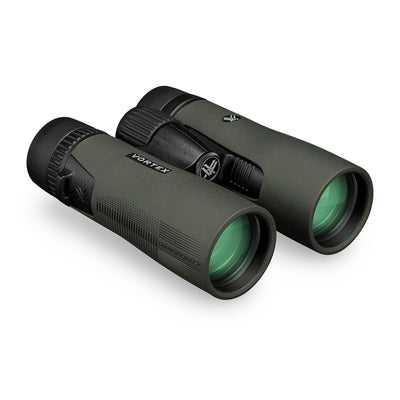
Set up along scrape lines, rub lines, staging areas, and travel corridors between bedding and food sources. Traditional ambush locations near food sources and field edges are still productive because bucks are mostly following established patterns. Focus on afternoon hunts and set up to catch bucks moving from bedding to food with enough daylight left for a shot. A quality pair of binoculars is essential for scanning timber edges and trail intersections during this phase — the Vortex Diamondback HD is our go-to recommendation for hunters who want reliable glass without breaking the bank.
Seeking and Chasing Phase Stands
Move off food sources and onto terrain funnels, saddles, creek crossings, and inside corners where timber meets open ground. These are the locations that funnel cruising bucks past your position. Pinch points between doe bedding areas are the highest-value stands during this phase because bucks travel between doe groups checking for estrus. Ridgeline saddles where multiple draws converge are classic seeking-phase ambush points.
Peak Breeding Stands
Shift to the edges of thick doe bedding cover. Overgrown clearcuts, swamp edges, CRP boundaries, and dense creek bottoms are where locked-down pairs will be. Your stand should be close enough to cover the bedding area’s exits but far enough that your entry does not disturb the deer inside. Midday movement is your best window, so plan entry routes that work for morning setups and commit to sitting all day.
Post-Rut Stands
Return to food. The best post-rut stands overlook the highest-quality remaining food source within reasonable distance of known bedding cover. Afternoon hunts are most productive. If you have a food plot with standing brassicas or a picked cornfield adjacent to thick bedding cover, that is your post-rut setup.
Common Rut Hunting Mistakes
Even experienced hunters make tactical errors during the rut that cost them opportunities at mature bucks. Here are the most common ones we see — and have made ourselves.
Leaving the stand at midday. We have beaten this point into the ground because it is the single most consequential mistake in rut hunting. If you are hunting during the seeking, chasing, or lockdown phases, there is no justification for leaving your stand between 10 a.m. and 2 p.m. Pack accordingly and stay put.
Hunting the same stand every day. Wind direction changes. Deer adjust. Hunting pressure from neighboring properties shifts movement patterns. If you only have one stand and the wind is wrong, do not hunt it. A mature buck that catches your scent at your best rut stand will avoid that location for days or weeks. Having multiple stand options for different wind directions is critical. Rotating stands also reduces cumulative scent contamination in any single location.
Overcalling. Calling is effective during the rut, but it is not a constant-noise strategy. Blowing a grunt tube every five minutes for eight hours makes you sound like a broken speaker, not a deer. Call with purpose, call sparingly, and let silence do most of the work. If a buck is already coming your way, put the call down.
Ignoring doe behavior. During the rut, does dictate buck movement. If you are not seeing does from your stand, you are probably not going to see bucks either. Pay attention to where does feed, bed, and travel. The bucks will be wherever the does are — especially during the seeking and lockdown phases.
Not adjusting tactics between phases. The hunter who sits over a scrape during the lockdown, or hunts a terrain funnel during the post-rut, is applying the right tactic at the wrong time. Recognizing when the rut shifts from one phase to the next and adjusting your stand location and approach accordingly is what makes a complete rut hunter. If you are unsure which phase is active, watch doe behavior. If does are calm and feeding normally, you are pre-rut or lockdown. If does are running with bucks close behind, you are in the chasing phase. If bucks are moving steadily with noses down but does are not fleeing, you are in the seeking phase.
Poor entry and exit routes. Getting to and from your stand without alerting deer is just as important during the rut as any other time — arguably more so because deer are distributed unpredictably and may be bedded in areas they normally would not use. Plan entry routes that follow terrain features, use waterways or mowed paths to minimize scent trails, and approach from downwind of both your stand and the areas where deer are likely to be.
Frequently Asked Questions
What is the best time of day to hunt the rut?
There is no single best time — that is precisely why all-day sits are so critical during the rut. Dawn and dusk remain high-activity windows, but the midday period between 10 a.m. and 2 p.m. produces a disproportionate number of mature buck sightings during the seeking, chasing, and lockdown phases. Bucks cruising for does or breaking from locked-down pairs often move during late morning and early afternoon when most hunters have left the woods. If you are only hunting mornings or evenings during the rut, you are missing a significant portion of the opportunity.
Does weather affect the rut?
Weather does not change the timing of the rut — photoperiod controls that, and it is consistent year to year. However, weather dramatically affects the visibility of rut activity. Cold fronts with dropping temperatures and rising barometric pressure push deer to move more during daylight. A cold, clear morning after a front passes through during the seeking or chasing phase can produce legendary hunting. Warm, calm conditions suppress daytime movement and push more activity into the night. Rain and wind generally reduce visible movement but can also make deer less cautious when they do move, because environmental noise covers the sounds of your presence.
How do you know when the rut is happening in your area?
The best indicators are observable deer behavior, not calendar dates alone. Fresh scrapes appearing along trails and field edges signal the pre-rut. Bucks moving during daylight with noses down and bodies tense indicate the seeking phase. Does running with bucks in pursuit mean the chasing phase is on. A sudden drop in all visible deer movement after days of intense chasing suggests the lockdown. Trail cameras with timestamps are your most objective data source — they will show you exactly when buck movement spikes and when it goes quiet. Over multiple seasons, you will build a reliable timeline for your specific property.
Should you use deer scents during the rut?
Scent can be a useful supplemental tool, but it is not a replacement for being in the right location. Doe estrus scent placed along a mock scrape or drag line near your stand during the seeking and chasing phases can catch the attention of a cruising buck and redirect his approach past your position. Use it sparingly and realistically — a single scent wick or drag line is more believable than drenching the area. During the pre-rut, fresh tarsal or forehead gland scent on a scrape can trigger a territorial response. After peak breeding, scent effectiveness drops because most bucks have already encountered estrus does and are less excited by the smell alone.
What caliber and optics do you need for rut hunting?
Rut hunting does not require different equipment than the rest of deer season, but it does reward certain capabilities. A rifle chambered in any standard deer cartridge — .308 Winchester, .30-06, 6.5 Creedmoor, .270 Winchester — is fully adequate. For a detailed breakdown of cartridge selection, see our hunting caliber guide. Where rut hunting specifically rewards your setup is in optics. Quality binoculars let you pick apart thick cover for bedded does and locked-down bucks that are invisible to the naked eye. The ability to scan a brushy creek bottom or an overgrown clearcut edge and pick out an ear flick or an antler tine at 200 yards can be the difference between sitting over a dead area and realizing there is a 150-inch buck bedded 80 yards from your stand. Our best budget hunting binoculars roundup covers the top options across price points, with the Vortex Diamondback HD leading the value category. A good rifle scope with clear low-light performance is equally important — many rut encounters happen in the first and last minutes of legal light, and cheap glass will fail you exactly when the biggest buck of the season steps out.