Predator hunting is one of the fastest-growing segments in hunting — and for good reason. Coyotes, hogs, and other predators provide year-round hunting opportunity in most states, and the gear technology available to today’s predator hunter is extraordinary. Electronic calls that replicate dozens of distress sounds, thermal optics that turn night into day, and tracking systems that keep tabs on your dogs across miles of rough country.
We test predator hunting gear the way it’s actually used: in the dark, in the cold, on stands where silence and speed matter, and during chaotic hog encounters where equipment either performs or gets you hurt. Every product is scored through our Benchmark Score system.
What We Cover
Electronic Predator Calls
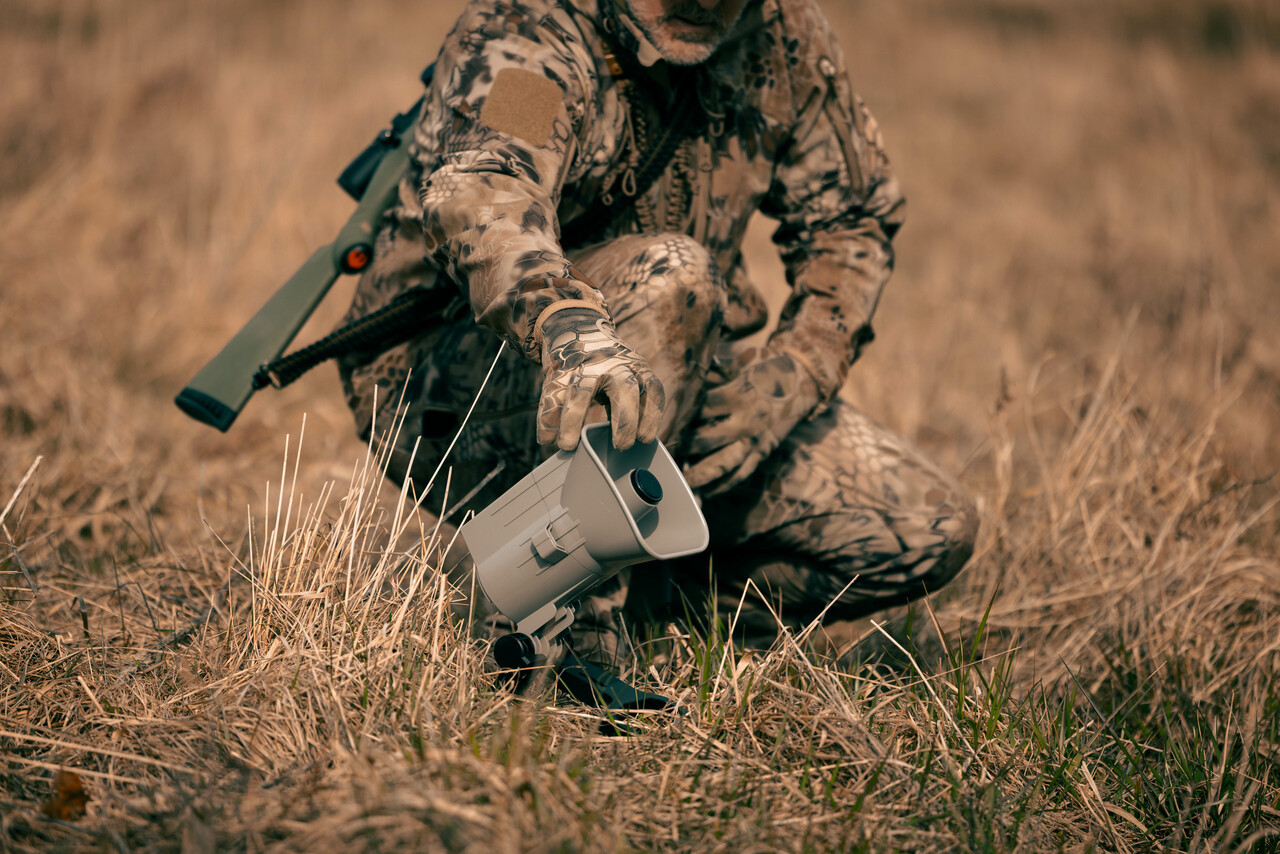
An e-caller is the most important piece of gear in a predator hunter’s kit after their weapon. We review units from FOXPRO, ICOtec, Lucky Duck, and others — evaluating sound quality and volume, speaker directionality, remote range and reliability, sound library depth, and battery life.
The details matter in this category. A call with tinny, compressed audio will educate coyotes instead of calling them in. Remote controls that lag or drop signal at 200 yards are useless when you need to switch sounds mid-sequence. We test these variables in the field, on actual stands, documenting call-in rates and response distances.
Thermal Monoculars & Scanners
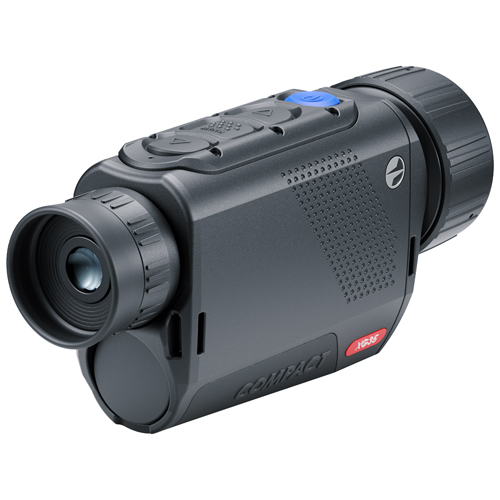
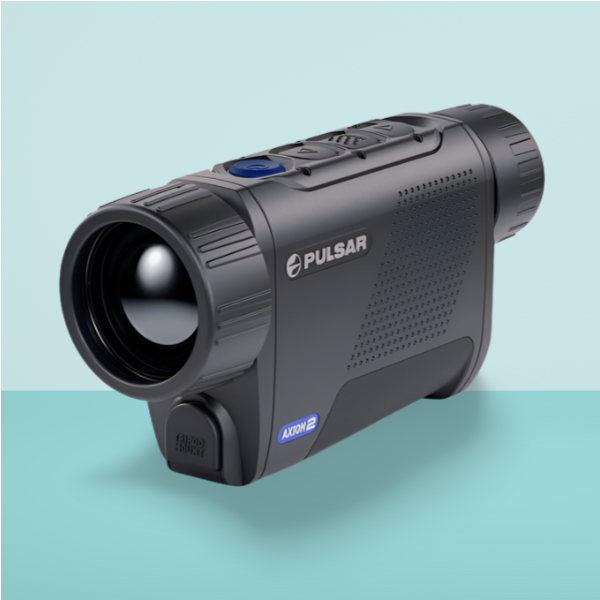
Handheld thermal units have become essential for predator hunters — both for scanning terrain before and during a stand, and for tracking wounded game. We evaluate detection range, image clarity, refresh rate, ergonomics (one-hand operation matters when your rifle is in the other), and battery life in cold conditions.
Brands we cover include Pulsar, AGM, InfiRay, Trijicon, and N-Vision. The price spread in this category is enormous — from $500 handhelds to $5,000+ units — and the performance differences are not always proportional to price. Our reviews help you understand exactly what you’re paying for at each tier.
Thermal Rifle Scopes
For dedicated night predator hunting and hog eradication, a thermal weapon sight is the ultimate tool. We test them for clip-on compatibility, zero retention after recoil, image quality at various magnifications, and the onboard recording capabilities that many models now offer. This category overlaps with our Hunting Optics cluster — we cross-reference reviews between both hubs.
Hog Hunting Gear
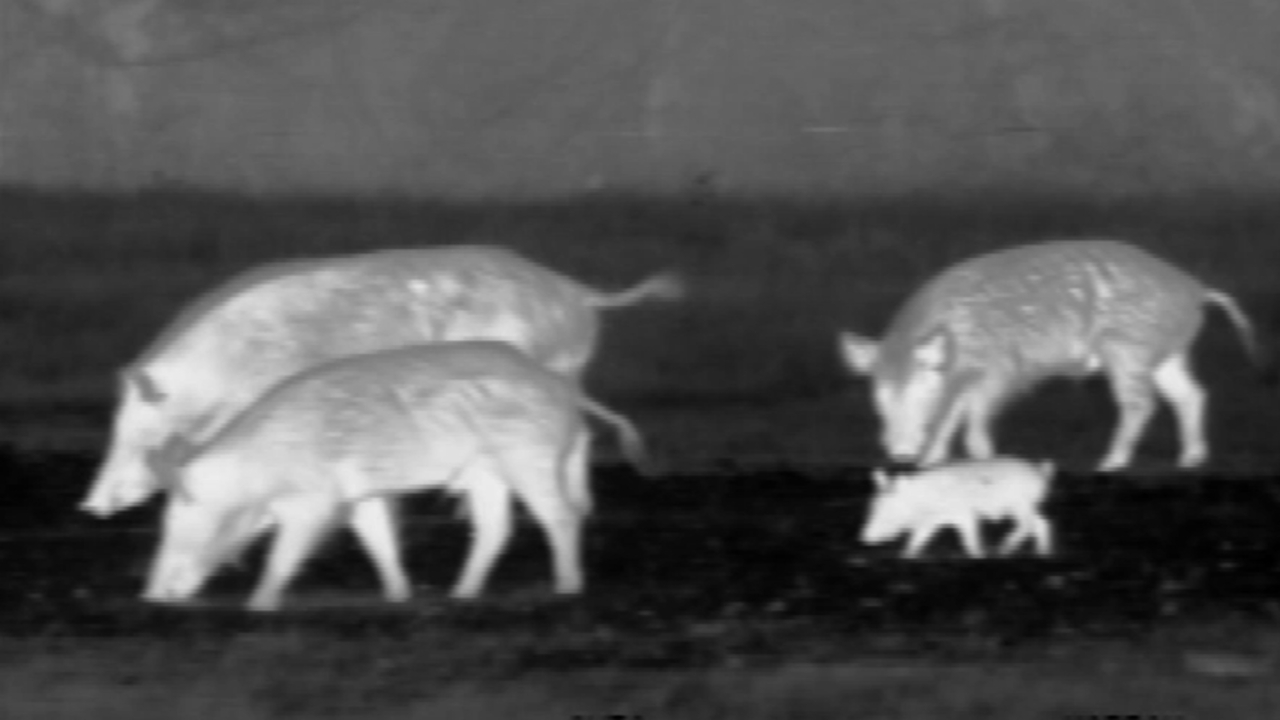
Wild hog populations continue to explode across the southern and central United States, creating an urgent need for effective eradication tools. We cover thermal scopes optimized for hog hunting, feeder systems, game cameras with cellular connectivity, suppressor-ready setups, and the lights and lasers designed for nighttime hog operations.
Dog Tracking Systems
For hunters who run hounds — whether for hogs, mountain lions, or bears — a reliable GPS dog tracking system is critical. We review units from Garmin (Alpha and Astro series) and competing systems, evaluating GPS accuracy, range in dense timber and canyon terrain, dog status indicators, map quality, and battery life across multi-day hunts.
Decoys & Accessories
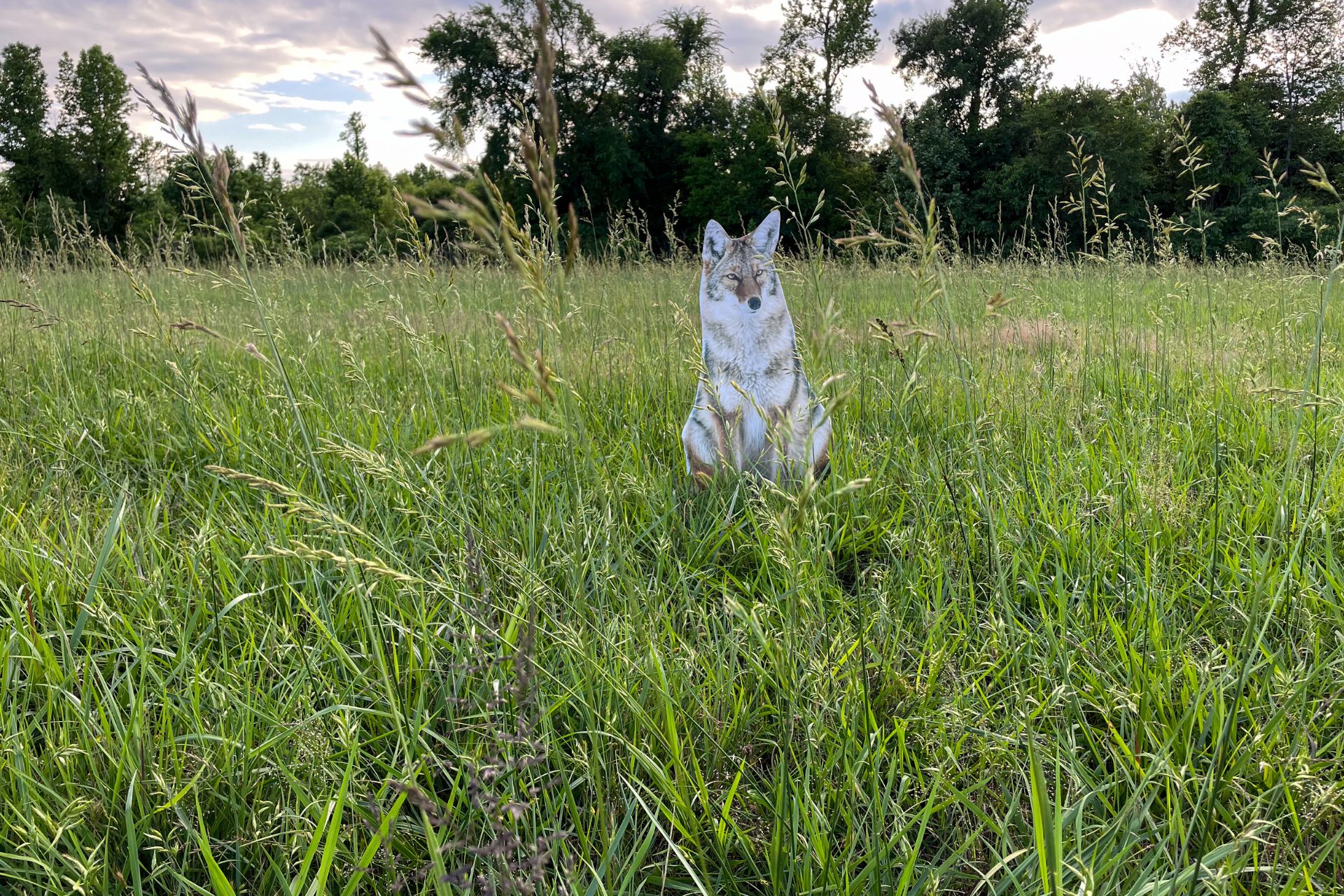
Motion decoys can dramatically increase your call-in success rate. We review decoys from MOJO, Montana Decoy, and others — plus supporting accessories like shooting sticks, wind indicators, caller pouches, and the camo systems that keep predator hunters hidden during the final approach.
How to Use This Hub
Building your first predator hunting setup? Start with our buying guides for a prioritized equipment list at each budget level. Looking to upgrade a specific piece of your kit? Dive into our individual reviews and head-to-head comparisons.
Our Testing Approach for Predator Gear
Predator hunting gear must perform in the dark, in the cold, and under time pressure:
- Electronic calls — tested on active coyote and hog stands, measuring response rates, remote reliability at distance, and battery life across multi-stand sessions
- Thermal optics — evaluated for detection range against live targets in real terrain, not manufacturer-claimed specifications on reflective targets
- Tracking systems — tested in dense timber, canyons, and open ground to map real-world GPS range and accuracy
- Durability — assessed after exposure to dust, rain, cold, and the general abuse that predator gear takes in truck beds and field bags
Full details in our testing methodology.
 Predator Hunting