Ice fishing demands gear that performs in conditions that would destroy most outdoor equipment — sub-zero temps, wind-driven snow, wet hands, and the constant freeze-thaw cycle that punishes anything with moving parts. We test ice fishing gear on the hard water, not in a showroom. If a flasher screen washes out in bright sunlight, if a shelter frame buckles in wind, if an auger struggles through thick ice — we’ll tell you.
Every product is evaluated through our Benchmark Score system. No manufacturer favoritism, no recycled spec sheets passed off as reviews.
What We Cover
Flashers & Sonar
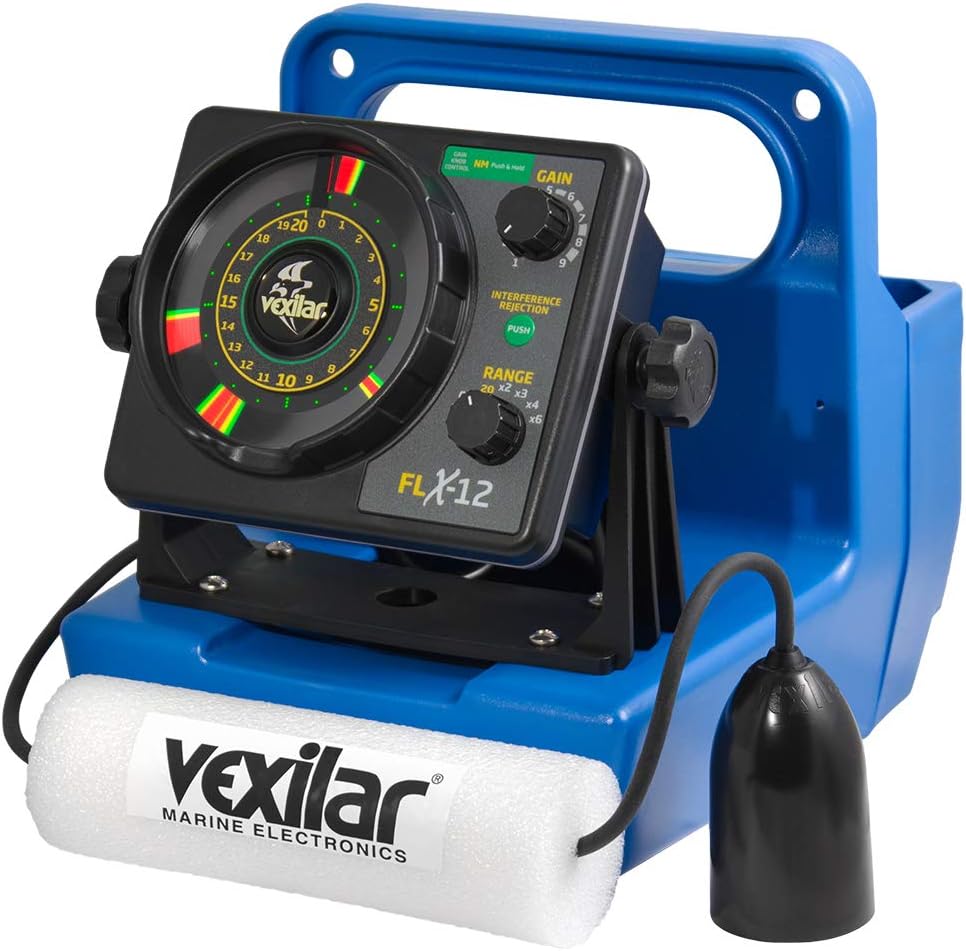
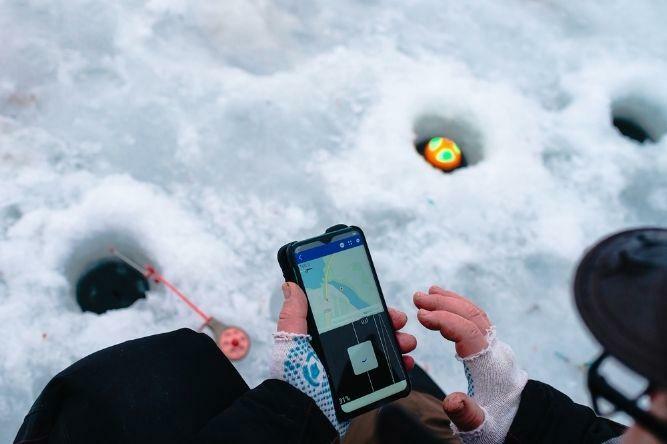
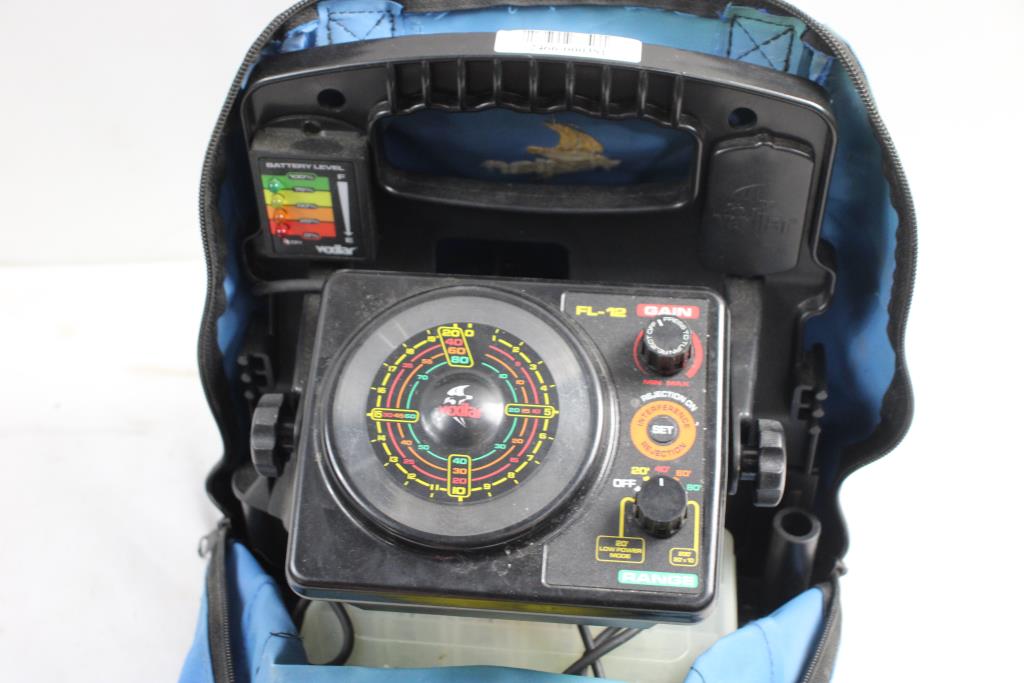
Your flasher is your underwater eyes. The difference between a Vexilar, Marcum, or Humminbird Ice unit isn’t just price — it’s target separation, interference rejection, zoom resolution, and how well you can read the display with frozen fingers in a dark shack. We test flashers and ice sonar units on lakes with known structure, comparing real-time target marking, depth accuracy, and battery life in freezing conditions.
The ice fishing electronics market is evolving fast. Forward-facing sonar is making its way onto the ice, and units like the Garmin LiveScope are changing how anglers locate and present to fish. We cover both traditional flashers and the new wave of ice-specific sonar technology.
Portable Shelters
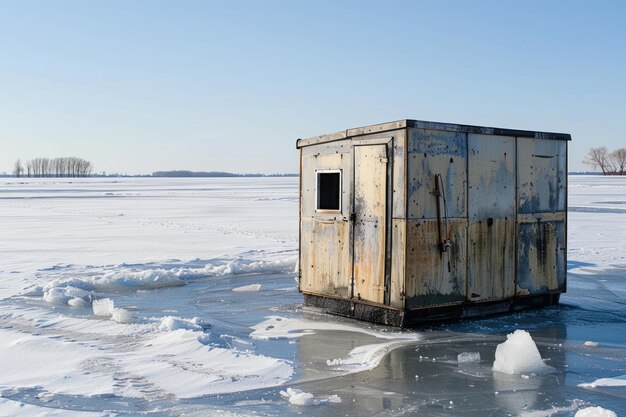
Your shelter is your base camp. Hub-style, flip-over, cabin-style — each design serves a different angler. We evaluate setup time (with cold hands), wind resistance, interior space, insulation value, and portability. A shelter that takes 15 minutes to set up in your garage might take 30 on the ice in a 20 mph wind. We test in those real conditions.
Weight matters when you’re hauling gear across the lake. So does pack-down size when you’re trying to fit a shelter, auger, bucket, rods, and electronics into a truck bed. Our reviews account for the full logistics of getting your shelter from your garage to your spot.
Augers
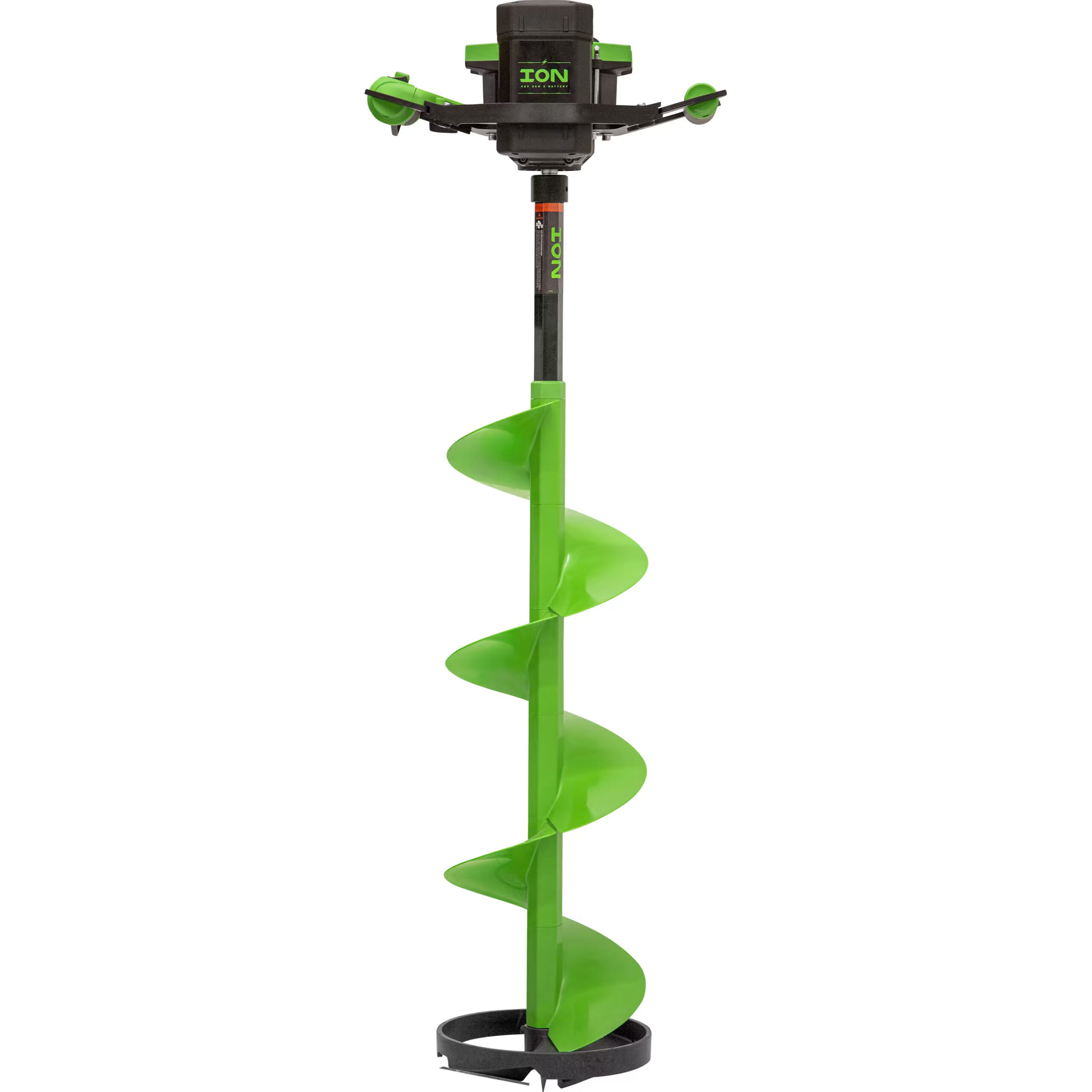
Getting through the ice is step one. Hand augers, propane augers, electric augers, and gas-powered augers each have their place. We evaluate cutting speed, hole diameter options, battery life (for electrics), weight, and reliability after hundreds of holes. The electric auger market in particular has exploded — brands like Ion, StrikeMaster, and Jiffy are competing aggressively on power-to-weight ratio and battery performance in cold weather.
Ice Rods & Combos
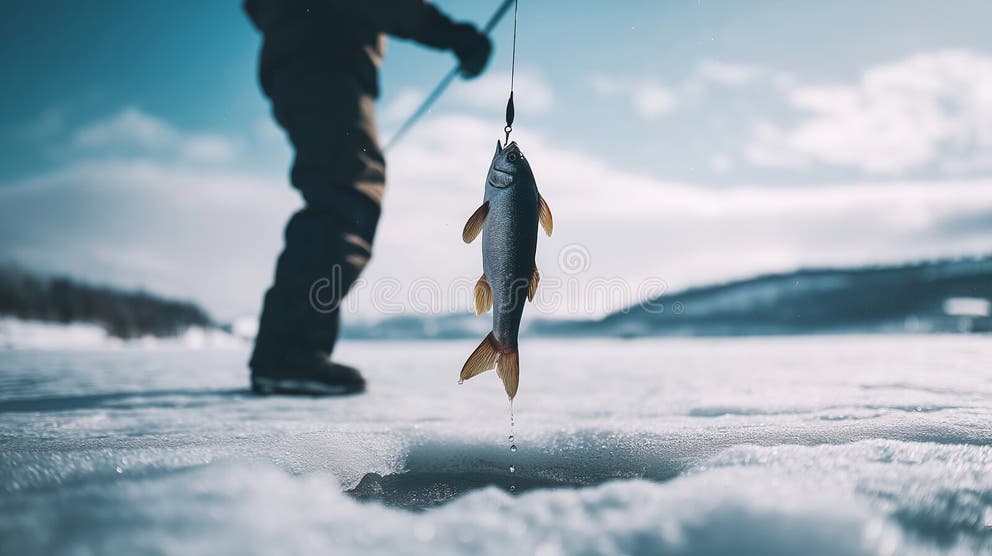
Ice rods are specialized tools — shorter, more sensitive, and designed for the unique demands of vertical jigging and deadsticking. We evaluate action, sensitivity, handle comfort (bare-hand and gloved), and how well a rod balances with common ice reels. From panfish noodle rods to walleye medium-action sticks to pike heavy-duty setups, we cover the spectrum.
Cold-Weather Apparel
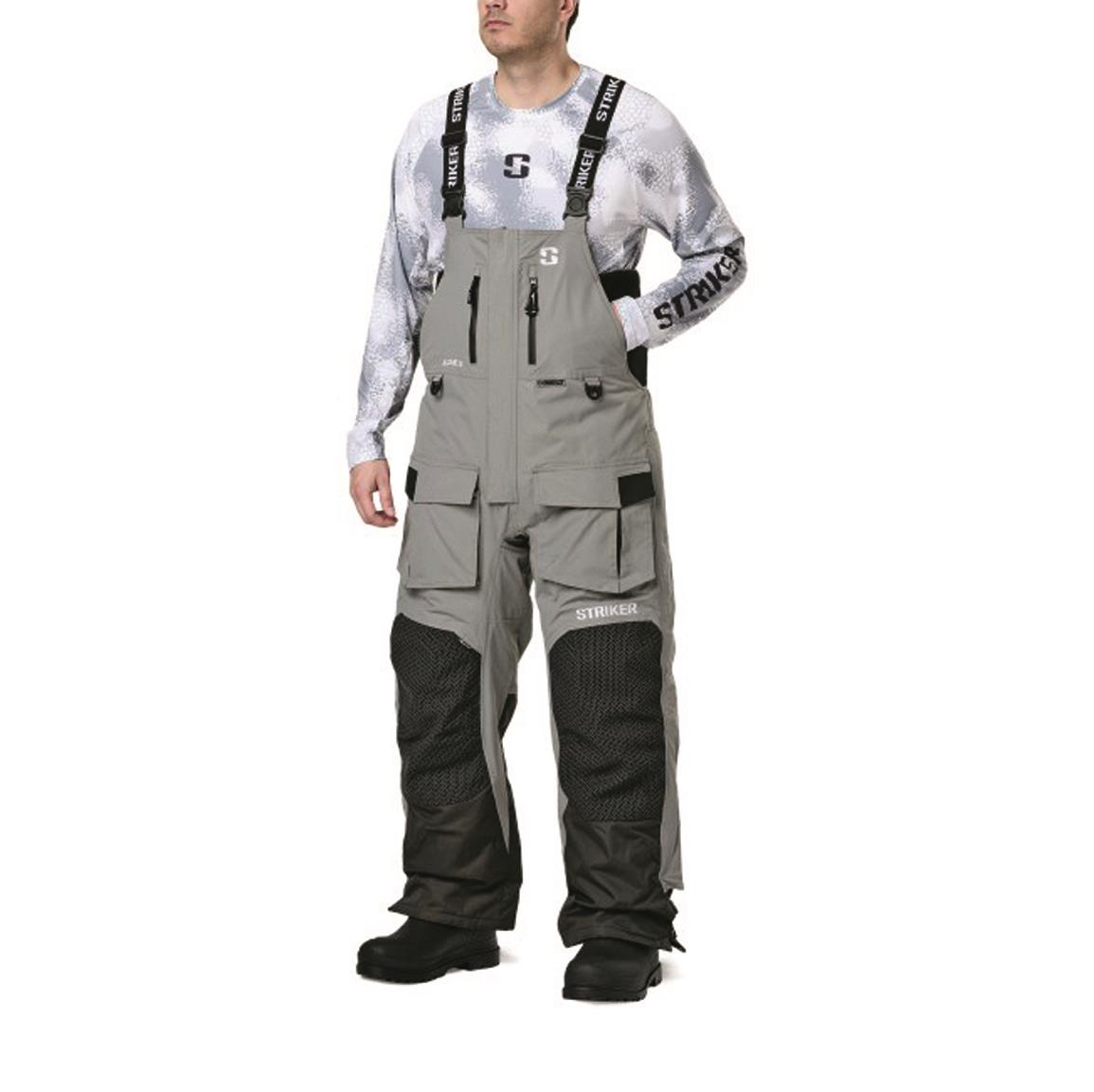
You can have the best electronics and shelter on the lake, but if you’re cold and wet, your day is over. We review ice fishing bibs, parkas, boots, gloves, and base layers from brands like Striker, Clam, Eskimo, and IceArmor. Our evaluations focus on warmth-to-weight ratio, waterproofing, mobility for drilling and jigging, and durability through a full season of use.
How to Use This Hub
Planning your first ice fishing setup? Start with our buying guides — we lay out what you actually need at each experience level so you’re not over-buying or under-preparing. Upgrading a specific piece of gear? Our reviews and comparisons break down exactly how products stack up against their direct competitors.
Our Testing Approach for Ice Gear
Ice fishing gear testing happens in the cold — there’s no shortcut:
- Electronics — tested on lakes with mapped structure to verify depth accuracy, target separation, and display quality in direct sun and inside shelters
- Shelters — set up and torn down in wind, snow, and sub-zero conditions; evaluated over multi-hour sessions
- Augers — tested through 12–24+ inches of ice, measured for speed and battery endurance
- Apparel — worn through full days on the ice in varying conditions, from calm 25°F days to brutal -10°F wind chill
Read our full testing methodology for scoring criteria and process details.
 Ice Fishing