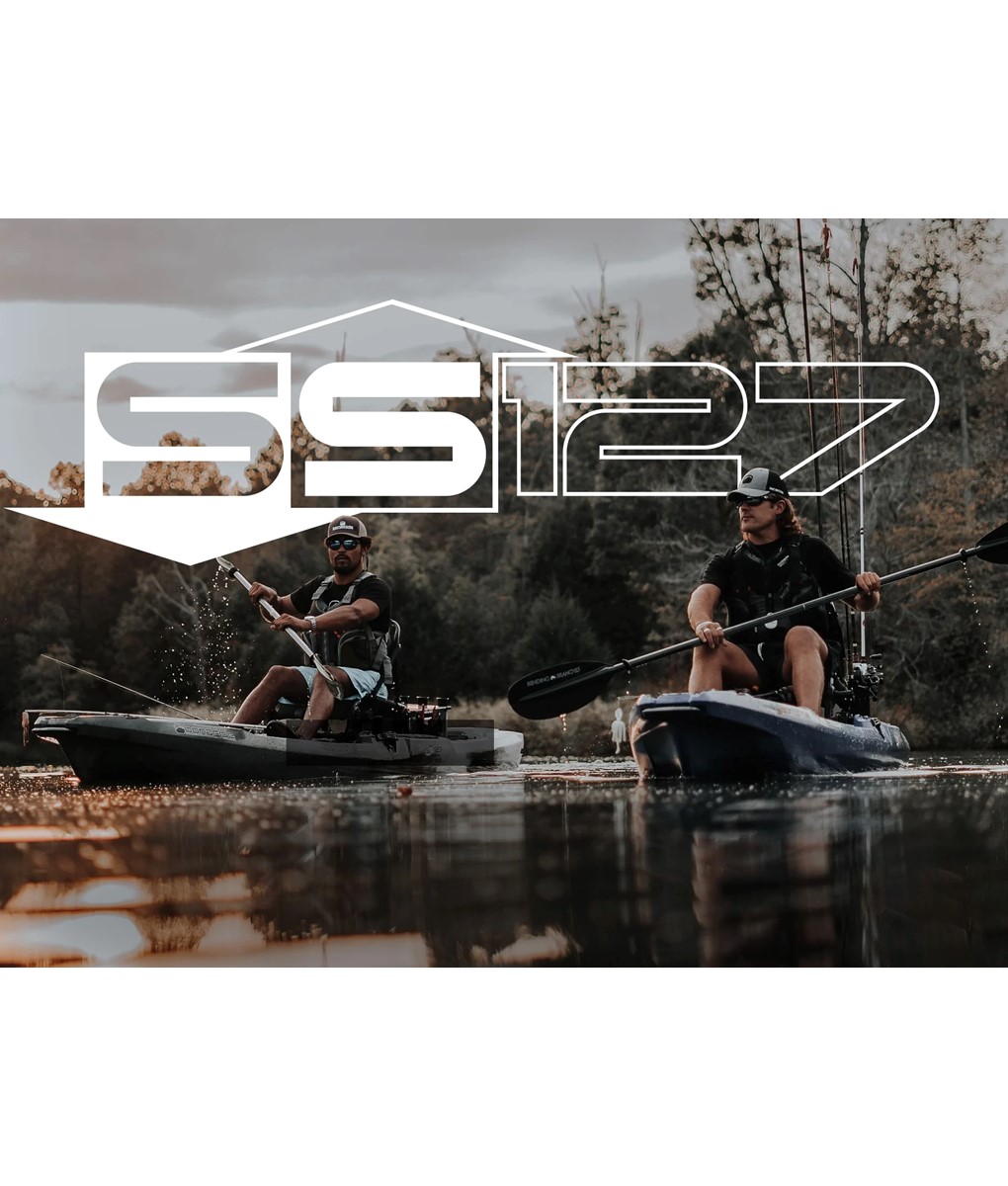
Kayak fishing puts you where the boat ramps can’t reach — skinny water flats, secluded coves, river bends that bank anglers only dream about. But the gear you choose makes the difference between a productive day on the water and a frustrating one. We test kayaks, fish finders, and accessories in the real conditions you’ll face — open water wind, tidal currents, cold mornings, and long paddles to the honey hole.
Every product is scored through our Benchmark Score system. No sponsored rankings, no filler reviews. Honest evaluations from anglers who actually fish from kayaks.
What We Cover
Fishing Kayaks
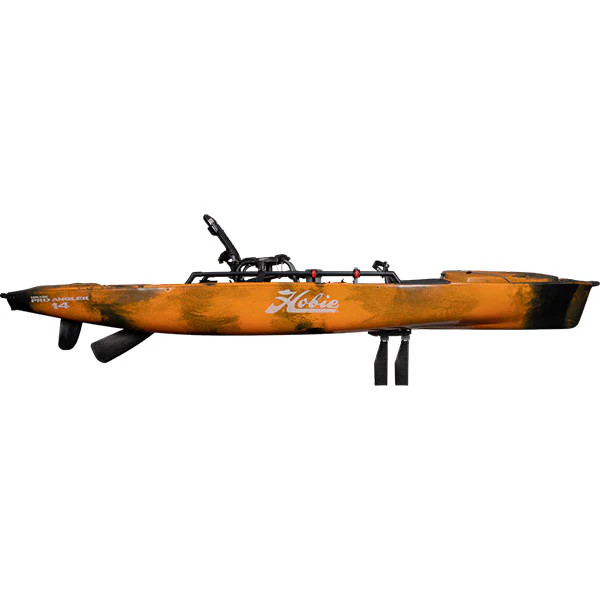
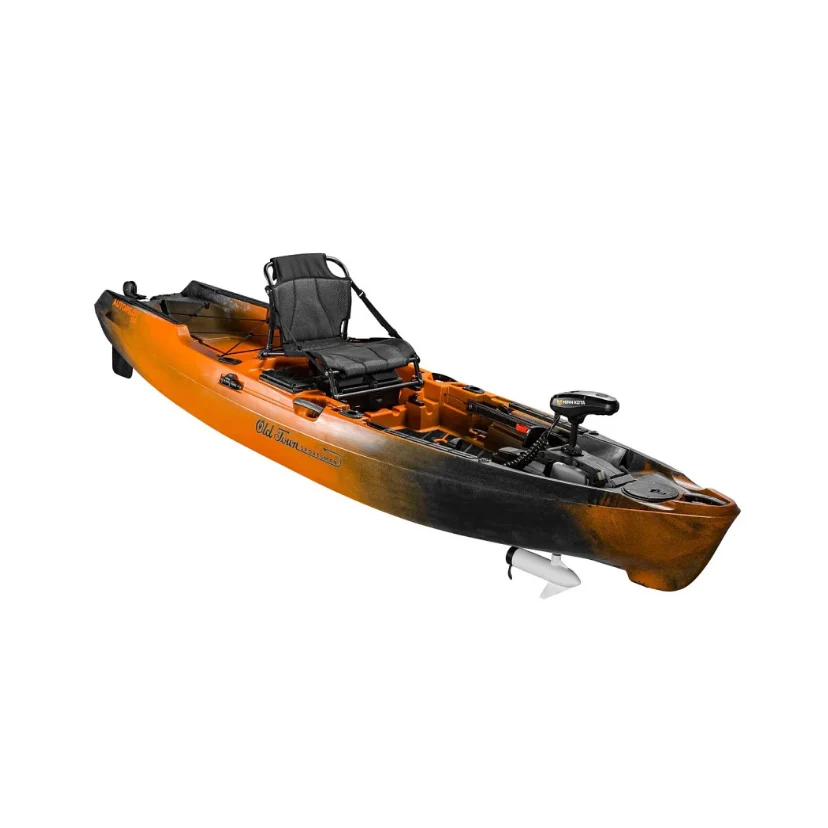
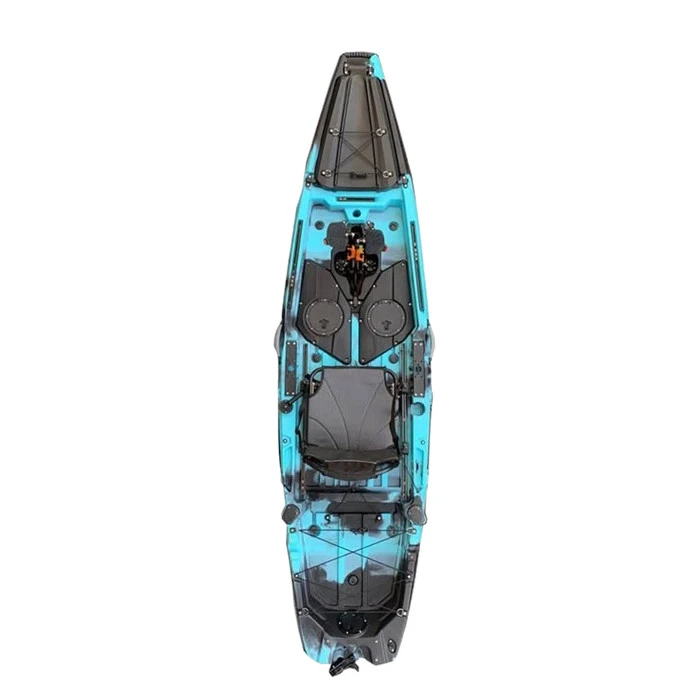
This is where the biggest investment — and the biggest decisions — happen. Pedal-drive vs. paddle, sit-on-top vs. sit-inside, 12-foot vs. 14-foot, and the brands that dominate the market: Hobie, Old Town, Bonafide, Wilderness Systems, Jackson, and Native Watercraft.
We test stability (both primary and secondary), tracking, speed, weight capacity, storage layout, and rigging versatility. We factor in real-world considerations like how easy it is to load on your truck solo, how it handles in wind, and whether the seat is comfortable for a full day on the water.
Pedal-drive kayaks have become the gold standard for serious kayak anglers — hands-free propulsion means you can fish while you move. We compare the major drive systems (Hobie MirageDrive, Old Town PDL, Native Propel) on power, reverse capability, shallow-water performance, and maintenance requirements.
Fish Finders & Electronics
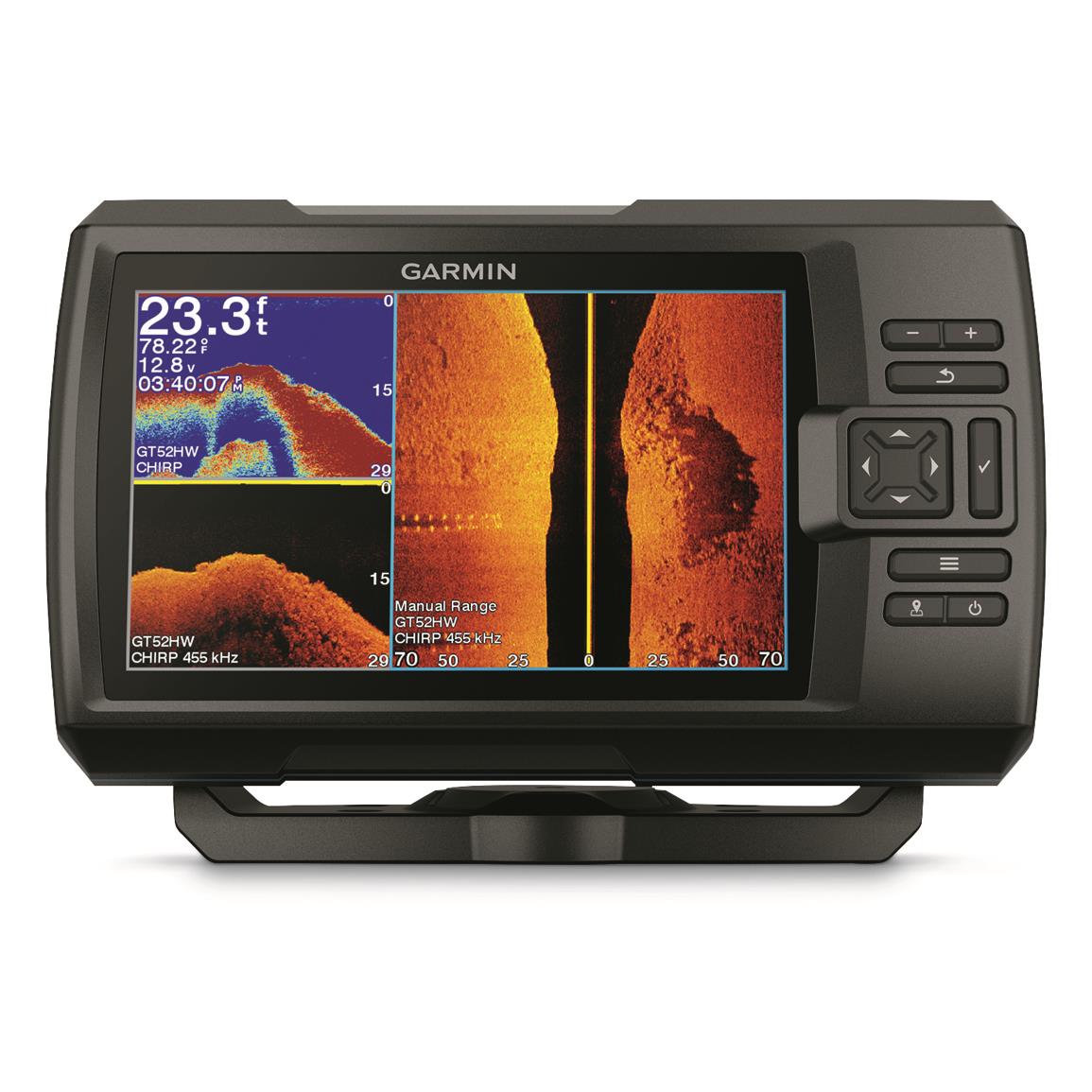
The right fish finder transforms your kayak from a floating platform into a precision fishing tool. We review units from Garmin, Lowrance, Humminbird, and others — evaluating screen readability in direct sunlight, transducer performance at kayak speeds, GPS mapping accuracy, and sonar technologies (traditional, down imaging, side imaging, live scope).
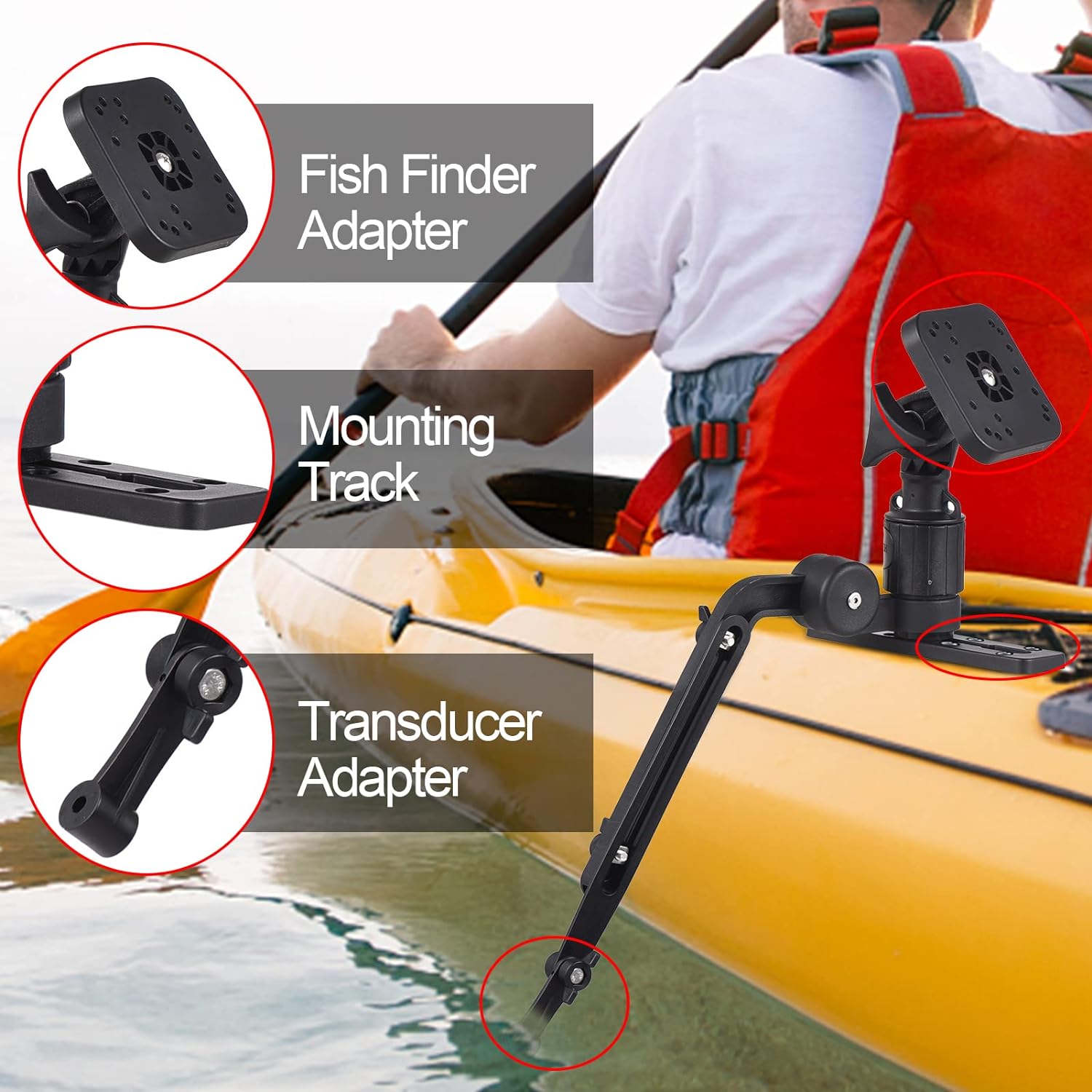
Kayak-specific considerations matter here: mounting options, power draw from portable batteries, transducer placement, and whether the unit can handle the spray and vibration that comes with kayak fishing.
Rigging & Setup
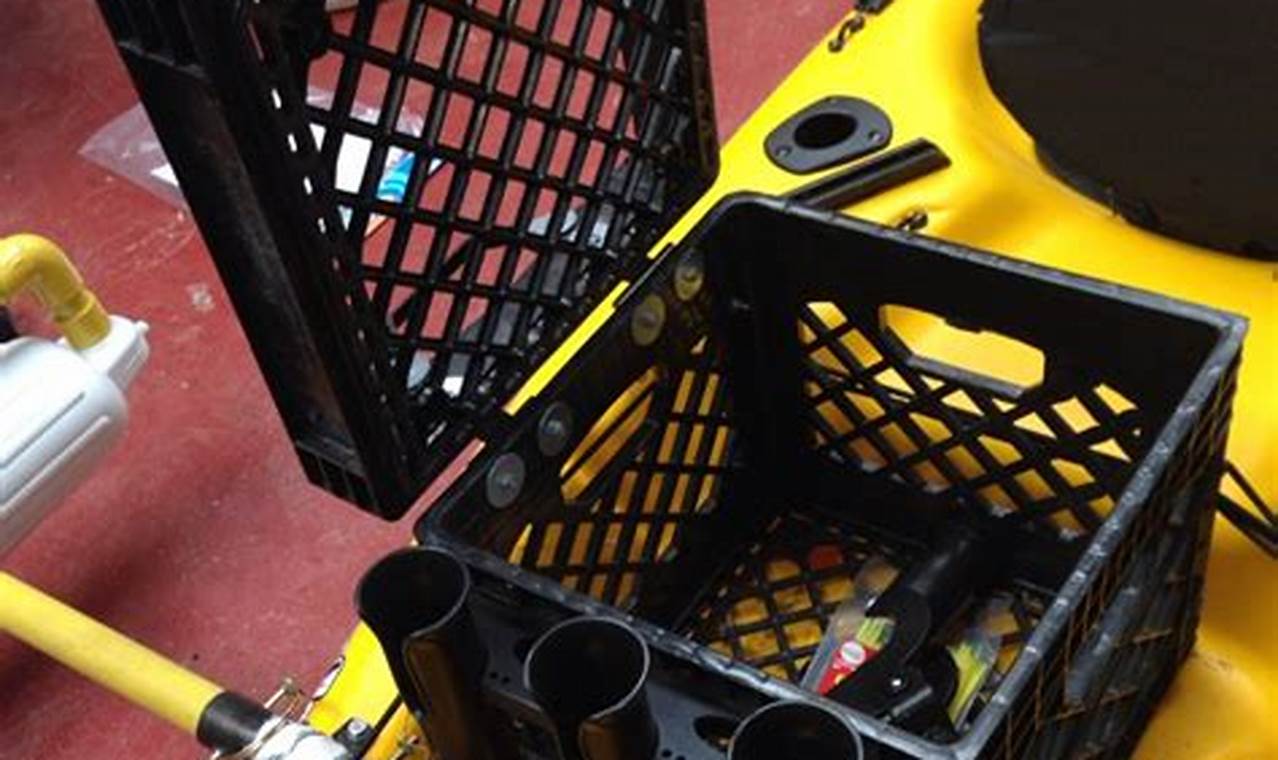
How you rig your kayak affects everything — rod accessibility, tackle organization, anchor deployment, and your ability to land fish without capsizing. We cover rod holder placement, crate systems, anchor trolley setups, power management for electronics, and the accessories that separate a well-rigged fishing kayak from a stock boat.
Accessories
From paddle leashes to drift chutes, the accessories category covers everything that makes your time on the water safer and more productive. Kayak carts, dry storage, PFDs designed for kayak anglers, lighting systems, and camera mounts — we review the gear that rounds out your setup.
How to Use This Hub
New to kayak fishing? Start with our buying guides — they break down what to look for at every budget level and help you avoid the common mistakes first-time buyers make. Already know what you want? Jump to our individual reviews and head-to-head comparisons to make your final decision.
Our Testing Approach for Kayak Gear
We don’t test kayaks in a pool. Every kayak and accessory is evaluated on real water:
- Stability testing — standing, casting, leaning to land fish, and handling wake from passing boats
- Tracking and speed — measured across calm water, light chop, and river current
- Comfort — assessed over full-day sessions (6+ hours on the water)
- Rigging versatility — evaluated based on mounting options, weight capacity used, and accessibility while seated
- Durability — hulls, hardware, and drive systems inspected after extended use
Full details in our testing methodology.
 Kayak Fishing