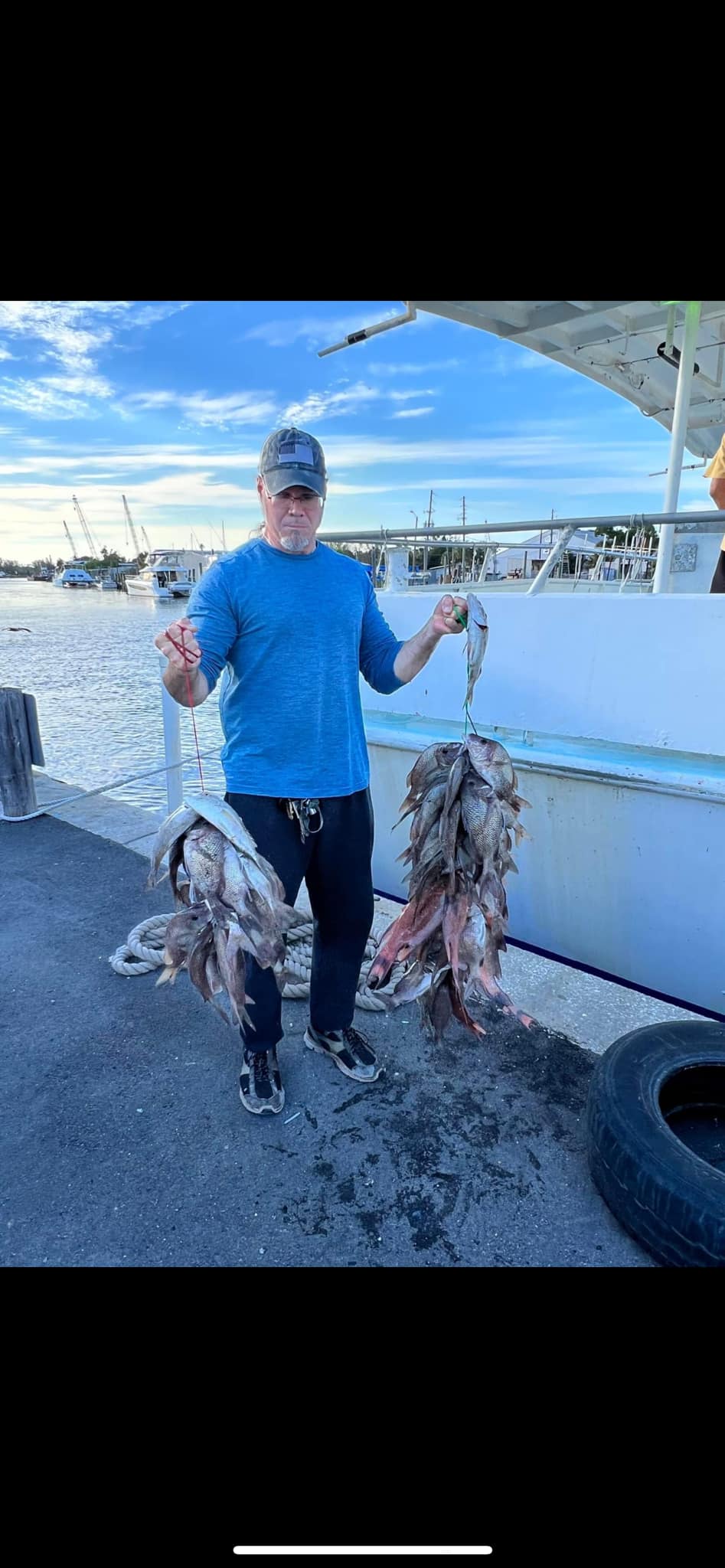
There’s a reason people come back from their first deep sea fishing trip grinning like idiots. Something shifts when you’re miles offshore, the water changes from green to deep blue, and the rod in your hands bends in a way that no pond or river fish has ever caused. Deep sea fishing introduces you to an entirely different scale of the sport — bigger water, bigger fish, bigger fights, and an experience that stays with you long after you’ve washed the salt off your gear.
If you’ve been thinking about booking your first offshore trip but don’t know where to start, we wrote this guide for you. We’ve spent years fishing offshore across the Gulf, the Atlantic, and the Pacific, and we remember exactly what it felt like to step onto a charter boat for the first time with no idea what to expect. The good news is that deep sea fishing is one of the most beginner-friendly ways to experience saltwater angling — the boat provides the gear, the captain puts you on fish, and the mates teach you what to do. Your job is to show up prepared, stay comfortable, and enjoy the ride.
This guide covers everything you need to know before your first trip — from choosing the right boat to handling seasickness, tipping the crew, and understanding what’s happening at the end of your line. For more offshore content, explore our full deep sea fishing hub where we review gear and break down advanced strategies. For a deeper look at how we evaluate the gear we recommend, check out our methodology.
Party Boat vs. Charter vs. Private Boat
The first decision you’ll make isn’t what species to target or what bait to use — it’s what kind of boat to fish from. Each type of trip offers a different experience, and the right choice for a beginner depends on your budget, group size, and how much personalized attention you want.
Party Boats (Head Boats)
A party boat, sometimes called a head boat, is the most affordable and accessible way to get offshore. These are large vessels that carry anywhere from 20 to 60 anglers on a single trip. You buy an individual ticket — typically $50 to $150 per person for a half-day and $80 to $250 for a full day — and you fish alongside strangers at the rail.
Party boats are where we recommend most beginners start. The cost of entry is low, you don’t need to fill a boat with friends, and the mates are experienced at helping new anglers. The downside is that you’re sharing space and fish with a crowd. Lines tangle, the best spots at the rail go to those who arrive early, and the captain runs the same route regardless of individual preferences. But for a first experience, the trade-off is worth it. You’ll learn the fundamentals, catch fish, and figure out whether you want to invest more deeply in the sport.
Charter Boats (Shared or Private)
Charter boats are smaller vessels — usually accommodating 4 to 6 anglers — that you book either as a private group or as a shared trip where the boat matches you with other parties. A half-day private charter typically runs $800 to $1,500 depending on the port, captain, and boat. Shared charters split the cost and usually land around $200 to $400 per person.
The charter experience is dramatically different from a party boat. The captain tailors the trip to your group’s skill level and goals. If you want to target mahi-mahi and the bite is happening 30 miles offshore, that’s where you’ll go. The mate gives you one-on-one instruction, handles your bait, and coaches you through every hookup. For a group of friends or a family, a private charter is the best way to learn because you’re not competing with strangers for attention or rail space.
Private Boats
If you know someone with an offshore-capable boat, fishing private is the most flexible option. You set the schedule, pick the spots, and keep every fish. The obvious caveat is that someone in the group needs to know what they’re doing — there’s no captain or mate to find fish and rig tackle for you. We don’t recommend this for true beginners unless you’re going out with an experienced offshore angler who’s willing to teach.
Our recommendation for your first trip: start with a party boat or a shared charter. Both put knowledgeable crew around you and remove the logistical burden of planning an offshore trip yourself. Once you’ve gotten a feel for the sport, you can graduate to private charters and eventually private boat trips as your skills and gear collection grow.
What to Bring on Your First Trip
Showing up prepared makes the difference between an incredible day and a miserable one. Deep sea fishing isn’t a casual walk to the lake — you’re going miles offshore into open water, often for 8 or more hours. Here’s what to pack.
Clothing
Dress in layers and assume you’ll get wet. Even on a sunny day, the ride out can be cold and spray-heavy, especially in the morning. A good approach is:
- Base layer: Moisture-wicking synthetic shirt (avoid cotton — it stays wet and cold)
- Mid layer: Light fleece or hoodie for the morning run
- Outer layer: A waterproof windbreaker or rain jacket — even if rain isn’t in the forecast, spray is constant
- Bottoms: Quick-dry shorts or pants depending on season — board shorts work well in summer
- Footwear: Non-marking, non-slip boat shoes or sandals with a back strap — no flip-flops, no black-soled shoes (they mark up the deck and captains will ask you to take them off)
Sun Protection
You are fully exposed on the water with no shade for hours. Sun reflects off the ocean from every angle, and it will burn you faster than you expect.
- Sunscreen: SPF 50 or higher, applied before you board and reapplied every two hours — bring the whole bottle
- Buff or neck gaiter: Protects your neck and face when the sun is overhead
- Hat: Wide-brimmed hat or a cap with a flap — baseball caps leave your ears and neck exposed
- Polarized sunglasses: They cut glare, protect your eyes, and let you see fish and structure below the surface — strap them to your head because the ocean doesn’t give them back
Seasickness Prevention
We’ll go deeper on this topic below, but in your packing checklist: bring your chosen seasickness remedy whether that’s Dramamine, Bonine, scopolamine patches, or Sea-Bands. Take or apply it before you board, not after you start feeling sick. Once nausea sets in, most remedies are far less effective.
Food and Water
Most party boats have a galley where you can buy snacks, drinks, and sometimes basic meals. Charters may or may not provide food — always ask when you book. Regardless, bring:
- At least a gallon of water per person — dehydration accelerates seasickness and fatigue
- Simple, bland snacks: Crackers, granola bars, bananas, plain sandwiches — avoid greasy, heavy, or acidic foods
- A small cooler or insulated bag for keeping food and drinks accessible
Other Essentials
- Waterproof phone case or dry bag — salt spray kills electronics
- Cash for tips (we’ll cover amounts below)
- A valid fishing license — most party boats and charters include the license in the ticket price, but verify when you book
- Motion sickness bags just in case — no shame in being prepared
- Camera or a phone with a good camera — you’ll want photos of your first big catch
What the Boat Provides vs. What You Bring
One of the best things about deep sea fishing as a beginner is that the boat provides almost everything you need to actually fish. Here’s the typical breakdown:
The boat provides:
- Rods, reels, and terminal tackle (hooks, sinkers, leaders)
- Bait (live, cut, or frozen depending on the fishery)
- Fishing license (usually included in the ticket — confirm when booking)
- Safety equipment (life jackets, first aid, flares)
- Fish cleaning and filleting at the dock (on most boats)
- Ice and cooler space for your catch
You bring:
- Everything listed in the section above (clothing, sun protection, food, water)
- A cooler to transport your fillets home (bring ice or buy it at the dock)
- Cash for tips and any onboard purchases
- Your own tackle if you prefer it (optional — most beginners won’t have any)
If you’re someone who eventually wants to build your own offshore setup, start by fishing on charter gear for a few trips to understand what you like. When you’re ready to invest, our best deep sea fishing reels guide breaks down the options across every price point and target species.
Basic Deep Sea Fishing Techniques
You don’t need to be an expert to catch fish offshore. Most techniques used on party boats and beginner charters are straightforward, and the mate will walk you through them. But understanding the basics before you step on the boat gives you a real advantage.
Bottom Fishing
Bottom fishing is the bread and butter of most beginner deep sea trips. The concept is simple: you drop a weighted rig with baited hooks straight down to the bottom and wait for a fish to eat. The mate rigs your setup — typically a chicken rig, knocker rig, or fish-finder rig with cut squid, sardine, or other bait — and tells you when to drop.
The key skills are:
- Feeling the bottom: When your sinker hits bottom, you’ll feel a distinct thud in the rod. Reel up a few cranks to keep your bait just above the structure where fish are holding. Sitting on the bottom invites snags and loses rigs.
- Detecting a bite: Bites range from subtle taps to aggressive rod-bending pulls. When you feel something, reel tight and set the hook with a firm upward sweep of the rod — don’t jerk wildly.
- Reeling up: Offshore fish fight hard, especially from depth. Keep steady pressure, reel when the fish runs toward you, and let the rod absorb the surges. The mate will coach you through bigger fish.
Bottom fishing puts you on a wide variety of species and produces consistent action, which is exactly what you want on your first trip.
Drifting
Drifting is bottom fishing while the boat moves with the current and wind. Instead of anchoring on one spot, the captain lets the boat drift across productive structure — reefs, wrecks, ledges — covering more ground and presenting your bait to more fish. Your job is the same: keep your bait near the bottom, detect bites, and reel them up. The main difference is that you’ll need to occasionally let out more line as the drift moves you over deeper water, or reel in as it shallows up. The mate will tell you when to adjust.
Drifting is extremely effective because it keeps your bait moving naturally through the water column and covers territory that a stationary boat can’t reach. Many of our best days offshore have been drift fishing over scattered reef in 80 to 150 feet of water.
Jigging
Jigging involves using a heavy metal lure — a jig — that you drop to the bottom or to a specific depth and then work vertically with rhythmic rod movements. The action of the jig imitates a wounded baitfish, and it triggers aggressive strikes from predatory species.
The basic technique is straightforward: drop the jig to the bottom, then reel up sharply and let it flutter back down. Repeat. Vary your speed and cadence until you find what the fish respond to. Jigging is more physically active than bait fishing, but it’s incredibly effective for species like amberjack, grouper, and snapper. Some days the fish want bait and ignore jigs; other days, the jig outfishes everything else on the boat. It’s worth trying both if the mate offers you the option.
Species You’ll Encounter
The species you’ll catch depend heavily on where you fish, the time of year, and the depth. But there’s a handful of fish that show up on beginner trips across most of the country. Knowing what they are helps you appreciate what’s on the end of your line.
Red Snapper
Red snapper are the most sought-after bottom fish in the Gulf of Mexico, and for good reason. They’re beautiful, they fight hard, and they’re outstanding on the table. Red snapper seasons are tightly regulated with limited open days, so check federal and state regulations before you book if this is your target species. When the season is open, party boats fill up fast.
Grouper
Grouper species — including red grouper, gag grouper, and black grouper — are powerful bottom dwellers that live on reefs and wrecks. They fight dirty, diving for cover the instant they feel the hook. Your job is to turn them before they reach the structure, which requires heavy tackle and steady pressure. Grouper are some of the best eating fish in the ocean.
Sea Bass
Black sea bass are a staple of the Atlantic bottom fishing scene from the Carolinas up through New England. They’re aggressive biters, they’re delicious, and they don’t require heavy tackle to catch. If you’re fishing the East Coast on a party boat, sea bass will likely make up a significant portion of your catch. They’re not the biggest fish in the sea, but they cooperate, and catching a dozen of them on a beginner trip builds confidence fast.
Mahi-Mahi (Dolphinfish)
Mahi-mahi are the fish that makes people fall in love with offshore fishing. They’re fast, acrobatic, stunningly colorful, and they taste incredible. Mahi typically hold around floating debris, weed lines, and current edges in warmer waters. If your captain finds a weed line holding fish, the action can be non-stop — mahi are schooling fish and when one bites, the rest often follow. Catching your first mahi-mahi, watching it go airborne in a flash of green and gold, is a moment you won’t forget.
Other Common Species
Depending on your region and trip type, you may also encounter amberjack (brutally strong fighters), triggerfish (tricky biters with excellent meat), king mackerel (fast and toothy), vermilion snapper (smaller but plentiful and delicious), and various species of porgy and grunt that round out a mixed bag. Don’t dismiss the smaller fish — they’re fun to catch, they teach you bite detection, and many of them are exceptional eating.
Seasickness: Real Talk and Solutions
Let’s address this directly because it’s the number one concern for every beginner, and pretending it isn’t an issue helps nobody. Seasickness can and does affect anyone, including experienced anglers. We’ve seen deckhands with thousands of hours on the water get green on a rough day. It’s not a weakness — it’s your inner ear disagreeing with the motion of the boat.
Why It Happens
Your inner ear senses motion. Your eyes, especially if you’re looking at something stationary on the boat, tell your brain you’re not moving. This sensory conflict triggers nausea, dizziness, cold sweats, and the general desire to be anywhere else. It’s worse in rough seas, worse below deck, worse on an empty stomach, and worse when you’re anxious about it.
Prevention Strategies That Actually Work
- Medication: Over-the-counter options like Dramamine (dimenhydrinate) and Bonine (meclizine) are effective for most people. Bonine tends to cause less drowsiness. Take it the night before and again in the morning before you board. Scopolamine patches (prescription) are the gold standard for serious susceptibility — they’re applied behind the ear 8 to 12 hours before departure and last up to 72 hours.
- Positioning on the boat: Stay on deck where you can see the horizon. The stern (back) and midship areas have the least motion. Avoid going below deck. Avoid staring at your phone.
- Stay hydrated and fed: An empty stomach makes everything worse. Eat a bland, carb-heavy meal before you board — toast, oatmeal, a bagel. Sip water throughout the day.
- Ginger: Ginger chews, ginger ale, ginger capsules — there’s decent evidence that ginger helps settle the stomach. It’s not a magic cure, but it helps on the margins.
- Wristbands (Sea-Bands): Acupressure bands that press on the P6 point on your inner wrist. Some people swear by them, others notice no effect. They’re cheap and have no side effects, so there’s no harm in trying.
If It Hits You Anyway
Move to the stern, look at the horizon, breathe slowly, and stay in the fresh air. If you need to vomit, do it over the downwind rail — the crew will point you to the right spot. Nobody on that boat will judge you. Seriously, nobody. It happens to everyone at some point. Most people feel better quickly after getting sick, and many go right back to fishing. Don’t let the fear of seasickness stop you from booking a trip. Take precautions, and odds are strongly in your favor.
Tipping Etiquette and Costs
What the Trip Costs
Here’s a realistic breakdown of what to budget for your first deep sea trip:
| Trip Type | Typical Cost Per Person |
|---|---|
| Party boat (half day, 4-5 hours) | $50 - $150 |
| Party boat (full day, 8-10 hours) | $80 - $250 |
| Shared charter (half day) | $200 - $400 |
| Private charter (half day, 4-6 anglers) | $800 - $1,500 total |
| Private charter (full day, 4-6 anglers) | $1,200 - $2,500 total |
Prices vary by region, season, and boat. Peak summer weekends in popular ports command higher rates. Weekday trips are often cheaper and less crowded.
Tipping the Crew
Tipping is expected in deep sea fishing, similar to tipping at a restaurant. The crew — captain and mates — work long, physically demanding days. Many mates earn the bulk of their income from tips. The standard guideline is:
- Party boats: 15 to 20 percent of your individual ticket price, handed directly to the mate who helped you
- Charter boats: 15 to 20 percent of the total charter cost, split between the captain and mate(s) — you can give it to the captain to distribute or hand it out individually
- Exceptional service: If the crew went above and beyond — put you on incredible fish, spent extra time coaching you, stayed out longer — tip on the higher end or above 20 percent
Bring cash in small bills. Most boats don’t have the ability to add tips to credit card payments, and handing cash directly to the person who helped you ensures it reaches them.
Safety on the Water
Deep sea fishing is a safe activity when basic precautions are followed. Commercial fishing boats are inspected, captains are licensed, and safety equipment is required by law. That said, you’re on the ocean, and the ocean demands respect.
Listen to the Crew
The captain and mates are responsible for everyone’s safety. When they give instructions — where to stand, when to reel in, how to move around the boat — follow them. They’re not being authoritarian; they’re keeping you safe around heavy tackle, sharp hooks, and a moving platform surrounded by deep water.
Watch for Hooks
The most common injury on a fishing boat is a hook in the skin. When someone near you is casting or reeling in a fish, be aware of where their line and hooks are. Don’t reach across someone’s line. When a fish is being landed, stand clear until the mate has control of it. Treble hooks and circle hooks will embed in your hand before you feel them if you’re not paying attention.
Stay Hydrated
Heat exhaustion sneaks up on you offshore. The combination of sun, wind, physical exertion, and salt air dehydrates you faster than you realize. Drink water constantly, even if you don’t feel thirsty. If you start feeling dizzy, confused, or stop sweating, tell the crew immediately — those are warning signs of heat-related illness.
Know Where the Safety Gear Is
When you board, take a quick mental note of where the life jackets are stored, where the first aid kit is located, and where the fire extinguishers are mounted. You’ll never need them, but if you do, knowing where they are saves critical seconds. The captain will usually point these out during a brief safety overview before departure — pay attention to it.
Frequently Asked Questions
Do I need any experience to go deep sea fishing?
No. Deep sea fishing is genuinely one of the most beginner-friendly forms of fishing because the crew does the heavy lifting. On a party boat or charter, the captain finds the fish, the mate rigs your tackle and baits your hooks, and they coach you through every step of fighting and landing a fish. All you need is the willingness to learn and the physical ability to hold a rod and reel. Children as young as 6 or 7 regularly fish on party boats with mate assistance. If you can follow basic instructions, you can deep sea fish.
How far offshore do deep sea fishing boats go?
It depends on the type of trip and the target species. Party boats doing bottom fishing runs typically stay within 10 to 30 miles of shore, fishing over reefs and wrecks in 60 to 200 feet of water. Charter boats targeting pelagic species like mahi-mahi, tuna, or wahoo may run 30 to 70 miles offshore to reach blue water, the Gulf Stream, or deep structure. The ride out usually takes 1 to 3 hours depending on distance and boat speed, which is time you should spend getting settled, eating breakfast, and letting your seasickness medication do its work.
What happens to the fish I catch?
On most boats, the crew keeps the fish in an onboard fish box packed with ice throughout the trip. When you return to the dock, the mate fillets your fish and bags it for you to take home. This service is typically included in the trip cost — it’s one of the perks of fishing on a crewed vessel. Bring a cooler with ice to transport your fillets home. If you catch a species you want mounted, tell the mate before they clean it — they’ll set it aside whole. Some boats operate on a “boat keeps the fish” model where the catch is divided among passengers at the dock. Clarify the fish policy when you book so there are no surprises.
What if the weather is bad on my scheduled trip date?
Safety always comes first. If conditions are dangerous — high winds, heavy seas, lightning — the captain will cancel the trip. Most reputable boats offer a full refund or a reschedule at no additional cost for weather cancellations. If the weather is marginal — choppy but fishable — the captain may still run the trip but stay closer to shore in more protected water. If you’re prone to seasickness, a rough weather day is harder. Don’t be afraid to call the boat the day before and ask about the forecast. They’ll give you an honest assessment because they don’t want miserable passengers any more than you want to be miserable.
Is deep sea fishing worth the money for a beginner?
Absolutely, and we say that without hesitation. A half-day party boat trip for $75 to $100 gives you 4 to 5 hours of fishing with all gear provided, expert instruction from the crew, a chance to catch multiple species, and a bag of fresh fillets to take home. Compare that to the cost of buying your own gear and fishing from shore with no guidance. The value proposition for a beginner is exceptional. Start with a party boat to see if you love it, graduate to a shared charter when you want a more personalized experience, and consider private charters when you have a group ready to split the cost. The progression is natural, and every step up teaches you something new about the sport.