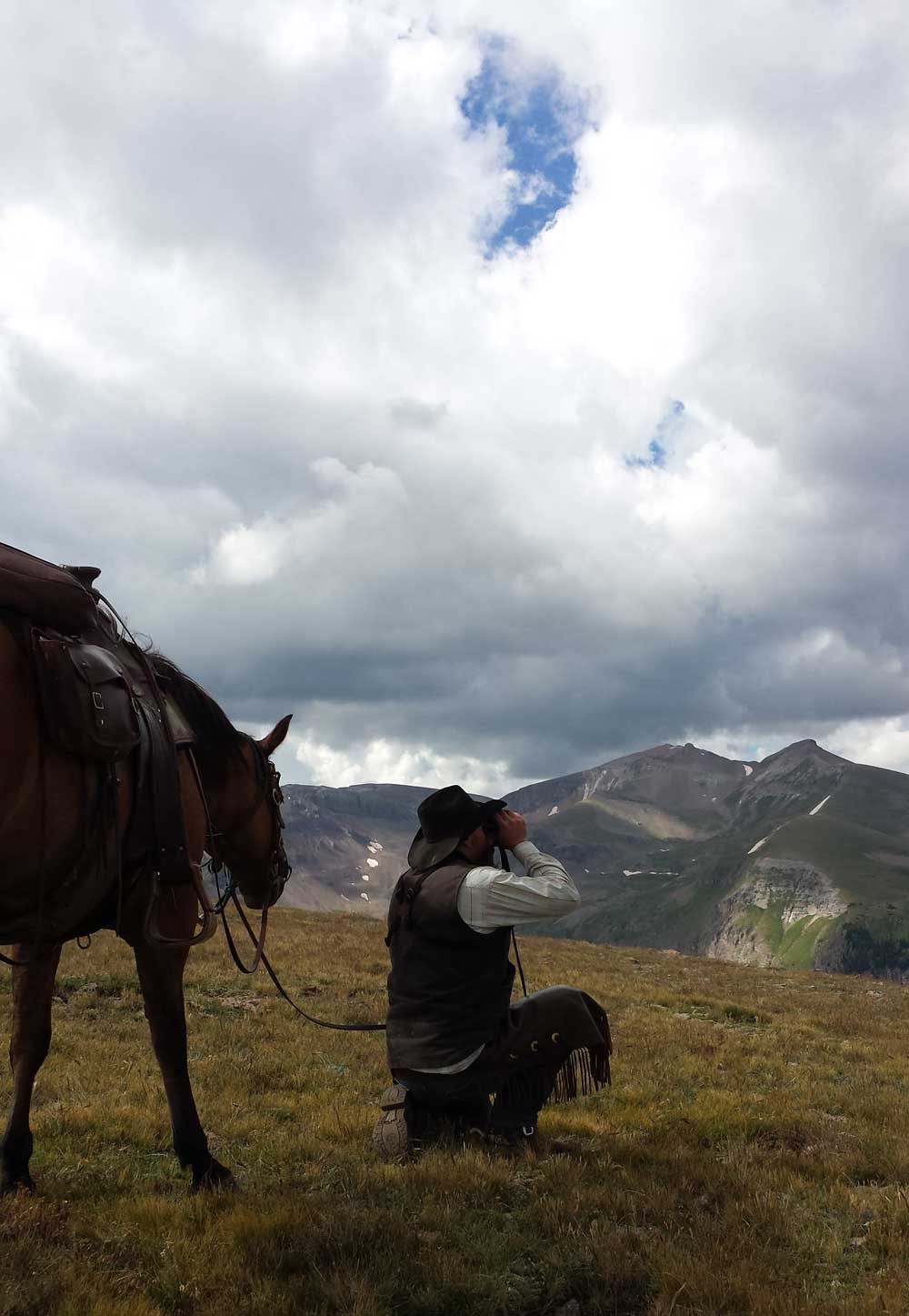
Backcountry elk hunting on public land is the hardest thing most hunters will ever do. It is also the most rewarding. There is no guide, no outfitter, no food plot, and no tree stand waiting for you. There is you, your pack, and a few hundred thousand acres of mountains that do not care whether you succeed. The bulls live where the trucks cannot reach, where the trails end, and where the timber gets thick enough to swallow sound. Getting to them requires weeks of preparation, days of physical punishment, and a willingness to fail more often than you succeed.
We have spent years hunting elk in the backcountry of Colorado, Montana, Idaho, and Wyoming on public land with over-the-counter and draw tags. We have packed bulls out in the dark, glassed empty basins for days, blown stalks at 60 yards, and made shots we had no business making because the mountain demanded it. This guide is everything we wish someone had handed us before our first DIY backcountry elk hunt — the planning, the fitness, the gear decisions, the tactics, and the brutal reality of getting 200 pounds of meat off a mountain five miles from the nearest road.
If you are new to big game hunting, start with our big game hunting hub for foundational content. If you want a complete packing list, our elk hunting gear checklist covers every item we carry. For how we evaluate and score gear, visit our methodology page.
Choosing a Unit: E-Scouting and Harvest Data
Unit selection is the single decision that will most determine whether you find elk. You can be in peak physical shape with perfect gear, but if you draw or buy a tag in a unit with low elk density, high hunting pressure, or limited public access, you are stacking the odds against yourself before you ever leave home.
Start with Harvest Statistics
Every western state publishes harvest data by unit, and this is your foundation. You are looking for units with a reasonable hunter success rate — typically 10 to 25 percent for archery over-the-counter tags and 15 to 40 percent for rifle. Do not chase the highest success rates blindly. Units with very high success rates often correlate with limited entry draws that are difficult to obtain, or with smaller units where hunting pressure concentrates quickly. What you want is a unit that consistently produces bulls at a rate that justifies the investment of time and money, with enough public land to absorb pressure and let you find pockets of solitude.
Colorado Parks and Wildlife, Montana Fish Wildlife and Parks, Idaho Fish and Game, and Wyoming Game and Fish all publish annual harvest reports broken down by unit, weapon type, and sometimes by resident versus nonresident. Pull at least three to five years of data to identify consistent trends rather than one-year anomalies. A unit that produces 18 percent archery success year after year is a better bet than one that spiked to 30 percent once and averages 12.
Evaluate Public Land Access
Once you have a shortlist of productive units, the next filter is access. Open Google Earth, onX Hunt, or your preferred mapping platform and start studying the landscape. You need to answer several questions for each unit:
- How much public land exists, and how is it distributed? Large, contiguous blocks of national forest or BLM land are ideal. Checkerboard ownership patterns — alternating sections of public and private — create access headaches and funnel hunters into predictable corridors.
- Where are the trailheads and access roads? Every trailhead within five miles of good elk habitat will be occupied opening morning. Your goal is to identify access points that require more effort — longer approaches, less obvious parking areas, or routes that bypass the popular trailheads entirely.
- Are there natural barriers that limit foot traffic? Rivers without bridges, cliff bands, dense blowdown, or steep terrain features that discourage casual hunters are your friends. Elk learn quickly where the pressure comes from, and they move away from easy access.
- Is there landlocked public land? Some units contain sections of public land completely surrounded by private land with no legal access. Identify these early so you do not plan a hunt around ground you cannot legally reach.
Assess Hunting Pressure
Pressure is the invisible variable that kills more DIY hunts than any other factor. A unit can hold strong elk numbers and still produce poor results if every basin has hunters in it. Pressure is difficult to quantify from data alone, but there are reliable indicators:
- Proximity to population centers. Units within a two to three hour drive of Denver, Boise, Missoula, or Salt Lake City will see dramatically more pressure than remote units that require a full day of driving.
- Road density. Units with extensive logging roads or ATV trails distribute hunters deeper into the backcountry, which means the animals get pushed harder and farther from accessible terrain.
- OTC versus draw. Over-the-counter units — particularly in Colorado — can see enormous volumes of hunters. This is not necessarily disqualifying, but it means your strategy must account for other hunters being in the field.
Talk to people. Call the local game warden or biologist for the unit you are considering. They will often tell you candidly where pressure is heaviest and whether elk numbers are trending up or down. Visit hunting forums and read trip reports from recent seasons, filtering for specifics rather than vague complaints or celebrations.
E-Scouting the Terrain
With a unit selected, spend serious time in Google Earth and your mapping app studying the terrain at a granular level. You are building a mental model of where elk are likely to be at different times of day and different phases of the season.
Look for north-facing slopes with mature timber adjacent to open parks or meadows. Identify water sources — springs, seeps, small creeks — that may not appear on standard maps but show up as green vegetation lines in satellite imagery. Find saddles and benches that elk use as travel corridors between drainages. Mark potential camping locations that give you access to multiple hunting areas without requiring a full-day relocation if one basin goes cold.
We typically identify three to four primary areas within a unit, each with its own camping option, so we can move if pressure or elk behavior forces a change in plan. Flexibility is everything on a backcountry DIY hunt.
Physical Preparation
Backcountry elk hunting is an endurance event disguised as a hunting trip. You will hike 8 to 15 miles per day over steep, uneven terrain at altitudes between 7,000 and 11,000 feet, carrying a pack that weighs 40 to 60 pounds on the way in and potentially 100-plus pounds on the way out. If your body is not prepared for this, the mountain will break you before the elk do.
Build an Aerobic Base First
The foundation of backcountry fitness is cardiovascular endurance. You need a heart and lungs that can sustain moderate output for hours without redlining. Start building your aerobic base at least six months before your hunt with low-intensity, long-duration cardio — hiking, trail running, cycling, or rowing. Three to four sessions per week of 45 to 90 minutes at a conversational pace. You should be able to talk in full sentences during these workouts. If you cannot, you are going too hard and training the wrong energy system.
Add Loaded Carries and Elevation
Beginning four months out, layer in specificity. Hike with a weighted pack two to three times per week, starting at 30 pounds and building to 60 or more. If you have access to hills or stairs, use them relentlessly. A stair-climbing machine is an acceptable substitute, but nothing replicates actual trail hiking with a pack on uneven ground. Your legs, hips, ankles, and feet need to adapt to the specific stresses of mountain travel.
If you live at low elevation and your hunt is above 8,000 feet, altitude will be a factor regardless of your fitness. You cannot fully simulate altitude at sea level, but you can arrive at your hunt location two to three days early and acclimate before opening day. Hydration and sleep become critical at altitude — drink aggressively and expect your sleep quality to suffer for the first two nights.
Strengthen Your Legs and Core
Squats, lunges, step-ups, deadlifts, and single-leg exercises build the raw strength your legs need for steep terrain and heavy loads. Your core — not just your abdominals but your entire trunk, including lower back, obliques, and hips — is what stabilizes a heavy pack over rough ground and prevents the kind of back injuries that end hunts early. Train your core for endurance and stability, not for aesthetics. Planks, loaded carries, and rotational exercises are more valuable than crunches.
Do Not Neglect Your Feet
Blisters and foot injuries are among the top reasons hunters cut backcountry trips short. Break in your boots thoroughly before the hunt — a minimum of 50 miles of loaded hiking in the boots you will wear. Experiment with sock systems and find what works for your feet. Many backcountry hunters, ourselves included, use a thin liner sock under a midweight merino wool sock. Address hot spots immediately with tape or moleskin before they become blisters.
Gear for a Multi-Day Backcountry Hunt
Your gear must do two things: keep you alive and functional in the backcountry, and not weigh so much that it destroys your ability to hunt effectively. Every ounce matters when you are five miles from the truck, and the tension between ultralight and durable is the central gear question of backcountry elk hunting.
Pack Weight Targets
A reasonable target for base weight — everything in your pack except food, water, and hunting-specific gear like your weapon — is 15 to 20 pounds. This is achievable without spending a fortune on ultralight cottage gear, but it requires deliberate choices and a willingness to leave comfort items behind. Your total pack weight on day one, including food and water, will typically land between 40 and 55 pounds depending on trip length.
Weigh every item. Seriously. Get a kitchen scale and weigh every single thing that goes into your pack. You will be shocked at how quickly ounces accumulate from items you barely use. If you did not use it on your last backcountry trip, it does not go on the next one.
The Big Four: Shelter, Sleep System, Cook System, Pack
These four categories account for the majority of your base weight and are where smart choices yield the biggest savings.
Shelter. A quality two-person ultralight tent or a single-wall shelter in the 2 to 3.5 pound range is the sweet spot for most solo backcountry elk hunters. Look for something that handles wind and rain reliably — September and October in the mountains can deliver snow, sleet, and sustained 40 mph gusts with little warning. Trekking pole-supported shelters save the weight of dedicated tent poles. Floorless shelters and tarps save even more weight but demand more skill and site selection discipline. We prefer a fully enclosed shelter with a floor for backcountry elk hunting simply because weather in the high country is too unpredictable to gamble on fair skies.
Sleep system. A 20-degree down sleeping bag or quilt weighing 1.5 to 2.5 pounds paired with a quality insulated sleeping pad is the standard backcountry setup. Down offers the best warmth-to-weight ratio but loses insulation when wet, so a hydrophobic down treatment or a waterproof stuff sack is worth the investment. Your sleeping pad is not optional — it provides critical insulation from the ground, and a deflated pad at 9,000 feet in October can mean a dangerously cold and sleepless night. Choose a pad with an R-value of at least 3.5 for fall mountain hunting.
Cook system. A canister stove, a single titanium pot, and a long-handled spoon. That is it. Boil water, rehydrate meals, make coffee. Your cook system should weigh under a pound including fuel for the trip. Fancy cook kits with multiple pots, pans, and utensils have no place in a backcountry elk camp.
Pack. Your pack needs to haul gear in and meat out. This dual requirement is what separates a backcountry hunting pack from a standard backpacking pack. Look for a frame that can handle 80 to 120 pounds — the weight of a boned-out elk quarter plus your camp gear. Load-bearing hipbelts and shoulder straps that are designed for heavy hauling are non-negotiable. A good hunting pack in the 5 to 7 pound range is a worthwhile investment. The pack is the last place to cut weight because it is the thing that carries everything else.
Optics
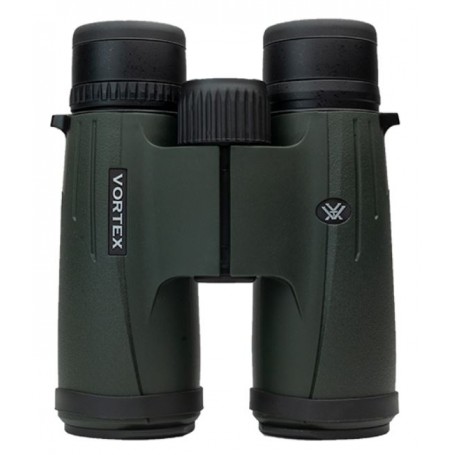
Quality glass is not optional for western elk hunting. At minimum, carry a binocular in the 10x42 class and consider adding a compact spotting scope if your hunting style involves glassing open basins. We cover optics in detail in our best spotting scopes for western hunting roundup. The Vortex Viper HD is a strong binocular choice that balances optical quality with a price point that does not require a second mortgage.
For a complete breakdown of which calibers make sense for elk at various distances and terrain types, see our hunting caliber guide.
Water and Nutrition Strategy
You will burn 4,000 to 6,000 calories per day on a backcountry elk hunt, and you will not replace all of them. Accept this. The goal is to consume enough calories and nutrients to maintain energy and cognitive function for the duration of the trip, not to eat like you are at home.
Water
Water availability dictates your camp location and your daily routes. Before the hunt, identify water sources on your map — creeks, springs, lakes, and seeps. Carry a reliable water filtration system. A squeeze filter or gravity filter is lighter and more practical than a pump filter for most backcountry hunters. Carry a minimum of two liters of capacity and drink aggressively, especially at altitude where dehydration accelerates. Early signs of altitude sickness — headache, nausea, fatigue — overlap almost perfectly with dehydration symptoms, so staying hydrated is both a performance strategy and a safety measure.
Plan your day around water. Know where you can refill, and do not pass a water source without topping off if there is any chance your next source is more than two hours away.
Food
Calorie density is king. You want the most calories per ounce of food weight, which means fats and carbohydrates dominate your backcountry menu. Freeze-dried meals for dinner, instant oatmeal or granola for breakfast, and a steady intake of nuts, jerky, energy bars, dried fruit, and nut butter packets throughout the day. Aim for 3,000 to 3,500 calories per day as a realistic intake target — you will still run a caloric deficit, but your body can handle a moderate deficit for five to seven days without significant performance loss.
Pack food in daily bags so you know exactly what you are consuming each day and can monitor your supply. Running out of food on day four of a seven-day trip is a planning failure that forces an early exit or a miserable final push.
Hunting Tactics for Backcountry Elk
Finding elk and killing elk are two different skills, and both require specific tactics adapted to terrain, season, and conditions.
Bugling and Cow Calling
During the rut — typically mid-September through early October depending on location and elevation — bull elk become vocal and responsive to calling. Bugling is the most exciting form of elk hunting and the primary reason many hunters plan their backcountry trips around the September archery season.
A location bugle is your starting move. Use it from ridgelines and high points at dawn and dusk to get a response and pinpoint a bull’s location. Once you know where a bull is, transition to cow calls — mews and chirps — to pull him toward your position. Aggressive bugling can work on herd bulls that are actively defending cows, but it can also push wary bulls away. Read the situation. If a bull answers once and goes silent, he is probably moving away. If he answers repeatedly and sounds closer each time, he is coming.
The biggest mistake new elk callers make is calling too much. Elk do not vocalize constantly, and a steady stream of calls from one position sounds unnatural. Call, wait, listen. Let the bull make the next move. Silence is a tactic, not a failure.
Still Hunting and Spot-and-Stalk
Outside the rut, or when bulls go silent, your primary tactics shift to still hunting through timber and spot-and-stalk in open country. Still hunting through dark timber is painfully slow — you should cover no more than a few hundred yards per hour, stopping every few steps to look and listen. Elk have exceptional hearing and a good nose, and they will detect sloppy movement long before you see them.
Spot-and-stalk is the classic western approach. Set up on a high point with good visibility, glass systematically, locate animals, and plan an approach. Your spotting scope earns its weight here. Study the terrain between you and the elk. Identify a route that keeps you hidden, downwind, and off the skyline. Commit to the stalk only when you have a plan that accounts for wind, terrain features, and the elk’s probable behavior.
Thermals and Wind
Wind management is the single most important tactical skill in elk hunting. Elk rely on their noses above all other senses. A mature bull that cannot see you and cannot hear you will still blow out of the country if he catches a single molecule of your scent at 400 yards.
In mountain terrain, thermals follow predictable daily patterns. In the morning as the sun heats slopes, air rises — thermals flow uphill. In the evening as temperatures drop, air sinks — thermals flow downhill. During midday, thermals are unstable and often swirling, making this the most dangerous time to be near elk if you are relying on wind direction for concealment.
Use thermals to your advantage. Hunt above elk in the evening when thermals carry your scent uphill and away. Hunt below elk in the morning for the same reason. During the midday thermal transition, either stay put and let elk come to you or back out entirely and wait for stable conditions.
Carry a wind indicator — a squeeze bottle of fine powder, milkweed seeds, or even a lighter — and check wind direction obsessively. Check it every few minutes during a stalk, not just at the start. Mountain winds can shift 180 degrees in seconds when you cross a ridge or enter a drainage.
Field Care and Pack-Out
Killing a backcountry bull is the halfway point, not the finish line. Getting several hundred pounds of meat, antlers, and cape off the mountain in edible condition is the real test. This is where preparation, fitness, and mental toughness converge.
Quartering and Meat Care
Field dress and quarter the animal as quickly as possible. In September, daytime temperatures can reach the 60s and 70s at lower elevations, and meat spoilage is a genuine concern. Your goal is to get meat off the bone, cooled down, and into game bags within two to three hours of the kill.
The gutless method — removing the four quarters, backstraps, tenderloins, neck meat, and rib meat without opening the body cavity — is the standard backcountry approach. It is cleaner, faster, and eliminates the need to deal with a gut pile in your workspace. Learn this method before your hunt. Practice on a deer or watch detailed instructional videos until the process is second nature. Fumbling through your first quarter job on a 700-pound bull at 10,000 feet in fading light is not the time to learn.
Hang quartered meat in breathable game bags in the shade, ideally with airflow around all sides. If daytime temperatures are above 50 degrees, you may need to move meat to a north-facing slope or a shaded area near water where temperatures stay cooler. Citric acid spray on exposed meat surfaces helps deter flies and bacteria. Check your meat morning and evening for any signs of spoilage — off smells, sliminess, or discoloration.
Weight Loads and Multiple Trips
A boned-out bull elk yields roughly 150 to 200 pounds of meat, plus 15 to 30 pounds of antlers if you are keeping the rack, plus 20 to 40 pounds of cape if you plan to mount the animal. You are looking at 200 or more pounds of animal to transport, plus your camp gear.
This means multiple trips unless you have partners. A strong, fit hunter can carry 80 to 100 pounds per load over mountain terrain, but this is grueling work and pace drops dramatically with loads above 80 pounds. Plan on two to three trips per person to get everything out. Each trip might be two to five hours depending on distance and terrain.
Prioritize meat on the first trip. Antlers and cape can wait — they will not spoil. Get the most perishable items to your vehicle or a cooler with ice as quickly as possible. If you are hunting alone and camp is far from the kill site, consider relocating camp closer to the kill to reduce total hiking distance during the pack-out.
Meat Preservation
Once meat reaches your vehicle, get it on ice immediately. A quality cooler — 65 quarts or larger — pre-chilled with block ice is the best field option. If you are driving more than a few hours to reach a processor or your home, drain meltwater regularly and add ice as needed. Elk meat is a premium product that you have earned through extraordinary effort. Treating it carelessly in the final miles is unforgivable.
Going Solo vs. With a Partner
Both approaches have merit, and your choice should reflect your experience level, risk tolerance, and hunting style.
Solo Hunting
Solo backcountry elk hunting is the purest form of the experience. Every decision is yours. You move at your own pace, hunt on your own schedule, and answer to nobody. You also bear all the risk. If you get hurt five miles from the trailhead, you are your own rescue until someone comes looking. If you kill a bull, you are packing it out alone — three to four trips over potentially two days of hauling.
Solo hunting demands a higher level of self-sufficiency, navigation skill, and emotional resilience. Days of seeing no elk in remote country can wear on you mentally when there is nobody to share the experience with. But the rewards are proportionally greater. A solo backcountry bull is one of the most personally meaningful achievements in hunting.
If you hunt solo, leave a detailed trip plan with someone at home. Include your planned camp locations, hunting areas, expected return date, and instructions for when to contact search and rescue if you do not check in. Carry a satellite communicator — an inReach or similar device — and know how to use it.
Partner Hunting
A partner or small group of two to three hunters makes the pack-out dramatically easier, provides a safety margin in case of injury or emergency, and adds a social element that makes the long days in the mountains more enjoyable. The trade-off is that more people generate more noise, more scent, and more scheduling complexity. You also need to agree on hunting strategies, camp duties, and what happens if one person tags out early.
Choose your partner carefully. Backcountry elk hunting reveals character under stress. You want someone who is physically prepared, mentally tough, willing to do their share of camp work, and able to stay positive when the hunting is slow. A weak link in a backcountry hunting party affects everyone.
The optimal backcountry elk hunting group is two people. You have a safety margin, the pack-out is cut in half, and you can still move quietly and hunt effectively. Groups of three or more become progressively harder to coordinate and conceal.
12-Month Preparation Timeline
A successful backcountry elk hunt does not start in September. It starts in January — or earlier.
January through March: Research and Apply
- Select target units based on harvest data, public land access, and pressure analysis.
- Submit draw applications for any limited-entry tags. Deadlines vary by state — Colorado’s primary draw closes in early April, Montana’s in early March, Wyoming’s in January.
- Purchase over-the-counter tags if applicable.
- Begin building your aerobic fitness base with three to four cardio sessions per week.
April through June: E-Scout and Train
- Conduct detailed e-scouting of your selected unit using satellite imagery and mapping apps. Identify primary and backup hunting areas, camp locations, water sources, and access routes.
- Begin loaded pack training. Start at 30 pounds and increase by five pounds every two weeks.
- Add leg and core strength training two to three times per week.
- Audit your gear. Identify items that need replacement, repair, or purchase. Order early — popular items sell out by late summer.
- Break in new boots with at least 50 miles of loaded hiking.
July through August: Intensify and Finalize
- Peak training block. Loaded hikes of 8 to 12 miles with 50 to 60 pounds at least once per week. Maintain cardio base with three to four additional sessions.
- Finalize your gear list and do a full shakedown trip — a one to two night backpacking trip with your complete hunting setup. This reveals problems with comfort, weight distribution, and missing items while you still have time to fix them.
- Practice shooting from field positions — sitting, kneeling, off a pack, and at steep angles. Backcountry shots are rarely from a bench.
- Purchase food and organize it into daily ration bags.
- Confirm regulations, tag validity, and any fire restrictions for your hunt area.
- If hunting with a partner, coordinate gear to eliminate redundancy — share a cook system, first aid kit, and shelter if possible.
September: Execute
- Arrive at the trailhead two to three days before opening day if possible. Set camp, acclimate to altitude, and do a final scout of your planned hunting areas.
- Hunt hard but hunt smart. Prioritize rest, hydration, and nutrition to sustain effort across the full trip.
- Be willing to adapt. If your primary area is pressured or devoid of elk sign, move to your backup location. Stubbornness is not a virtue in backcountry elk hunting.
October through December: Debrief and Improve
- After the season, debrief honestly. What worked? What failed? What would you change?
- Update your maps and notes with new information — elk sign you found, water sources that were dry, trails that did not exist, camps that worked or did not.
- Begin light off-season training to maintain the fitness you built. It is far easier to maintain a base than to rebuild one from scratch every year.
Frequently Asked Questions
How much does a DIY backcountry elk hunt cost?
A DIY public land elk hunt is dramatically cheaper than a guided hunt, but it is not free. Budget $1,500 to $3,500 for a nonresident over-the-counter hunt, including the tag ($500 to $900 depending on state), fuel and travel ($300 to $800), food ($100 to $200), and meat processing ($200 to $400 if using a processor). This does not include gear purchases, which can range from a few hundred dollars if you already have backpacking and hunting equipment to several thousand if you are starting from scratch. Resident hunters in western states can do the same hunt for $500 to $1,000 all in, excluding gear.
What is the best state for a first-time DIY elk hunter?
Colorado is the most accessible option for first-time DIY elk hunters because it offers over-the-counter bull tags in many units, has enormous volumes of public land, and its elk population is the largest in the country. The trade-off is high hunting pressure in popular units. Montana offers a general elk tag through a draw or leftover process and has less pressure in many areas but is harder to draw as a nonresident. Idaho sells over-the-counter nonresident tags in some zones and offers excellent wilderness hunting but the terrain is brutally steep. Start with Colorado for accessibility, then expand to other states as your experience grows.
How many days should I plan for a backcountry elk hunt?
Plan a minimum of five hunting days in the field, which typically means seven to eight total days when you include travel and pack-in and pack-out days. Ten days is better if your schedule and tag allow it. Backcountry elk hunting involves significant downtime — weather days, relocation days, and slow days when elk are not cooperating. A short trip leaves no margin for setbacks. Many experienced backcountry elk hunters plan seven to ten hunting days and consider anything under five too risky to justify the investment.
Can I hunt backcountry elk with a bow?
Absolutely, and the September archery season coincides with the elk rut, which is the most exciting and productive time to be in the backcountry. Archery elk hunting during the rut means bugling bulls, close encounters, and the visceral thrill of calling a mature bull into bow range. The challenge is that archery demands closer shots — typically inside 60 yards and ideally inside 40 — which requires superior stalking skill and wind management. Practice at longer distances than you intend to shoot so that your maximum hunting distance feels comfortable, not stressful. If you are new to elk hunting, archery during the rut is arguably a better introduction than a rifle season because the animals are vocal and visible.
What fitness level do I really need?
You need to be able to hike 10 miles over steep terrain with a 50-pound pack without being destroyed the next day. That is the honest baseline. If you can do that, you can execute a backcountry elk hunt. If you cannot, you will spend your hunt exhausted, making poor decisions, and unable to capitalize on opportunities when they appear. A bull does not wait while you catch your breath on a sidehill. You do not need to be an ultramarathon runner or a competitive athlete. You need consistent, specific training over several months that prepares your cardiovascular system, legs, core, and feet for the exact demands of mountain hunting with a heavy pack. Start early, train consistently, and do not skip the loaded hiking — it is the single most important element of backcountry hunt fitness.